
The CMS Five-Star Quality Rating System is the federal government’s official tool for comparing nursing homes. Understanding how ratings are calculated — and their limitations — helps you use them effectively.
How CMS Calculates the Overall Star Rating
The overall rating is not a simple average. CMS uses a specific algorithm:
- Start with the health inspection star rating
- Add one star if staffing is rated 4 or 5 stars; subtract one star if staffing is rated 1 star
- Add one star if quality measures are rated 5 stars; subtract one star if quality measures are rated 1 star
- The overall cannot be 5 stars if health inspection is 1 or 2 stars
Health Inspection Rating
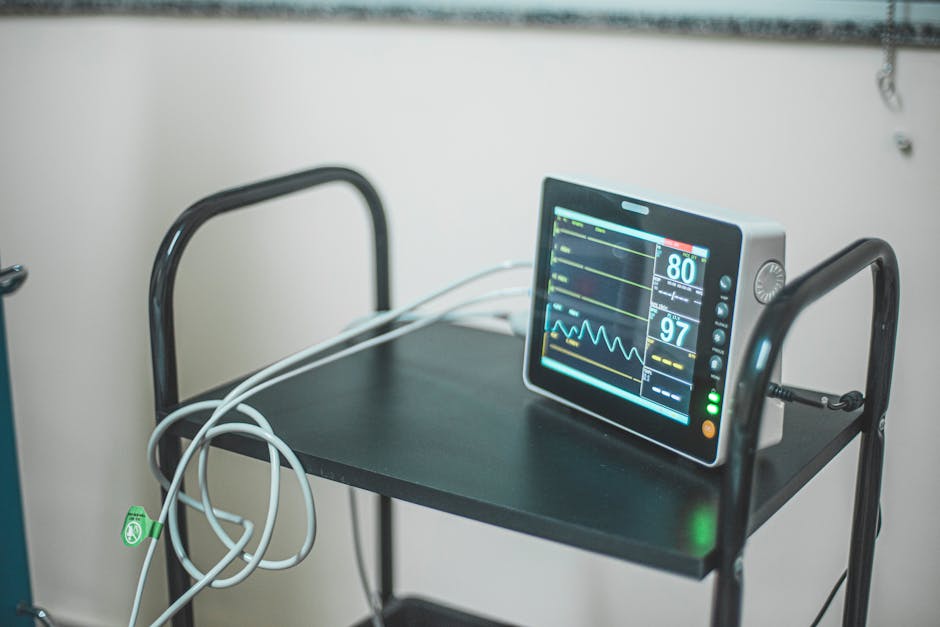
Based on the last 3 years of annual and complaint inspections. Each deficiency citation is weighted by its scope (how widespread) and severity (how harmful). Recent years’ inspections are weighted more heavily.
Importantly: inspections are conducted by state surveyors who visit unannounced. Facilities cannot prepare specifically for an inspection date — making this one of the more reliable quality indicators.
Staffing Rating
CMS now uses payroll-based journal (PBJ) data — actual payroll records — rather than self-reported staffing numbers. This has significantly increased accuracy. The rating compares RN hours and total nurse hours against the expected level for the facility’s specific resident mix (acuity-adjusted).
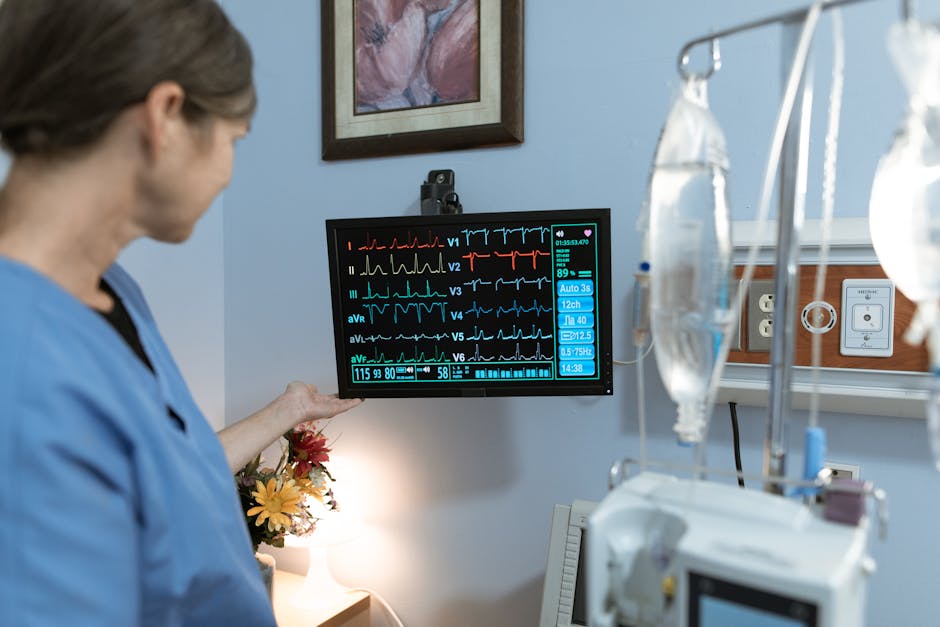
Weekend staffing is now incorporated separately, after research showed many facilities significantly reduce staff on weekends.
Quality Measures Rating
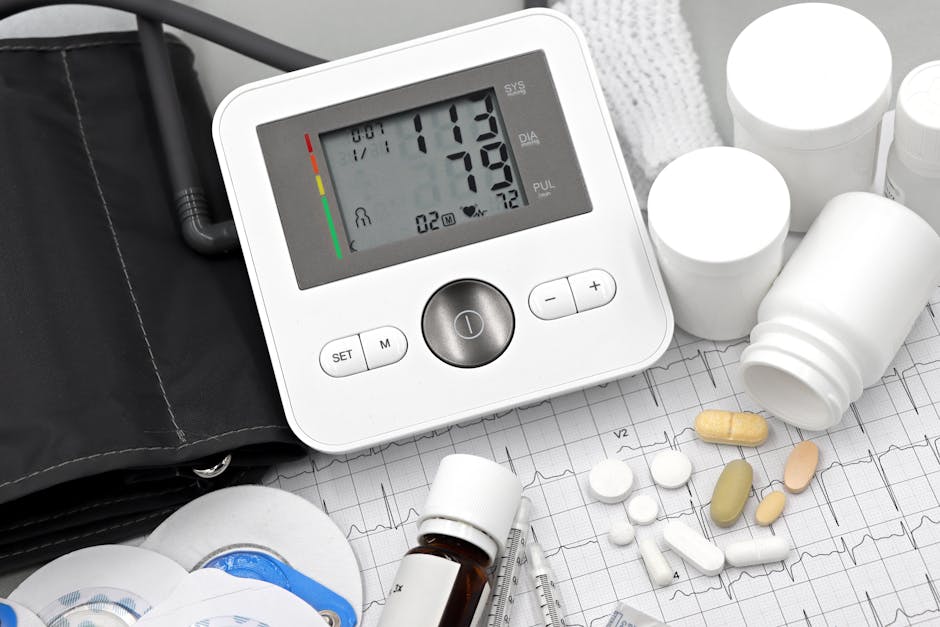
Based on 15 clinical quality indicators, split into long-stay and short-stay measures:
- Long-stay measures: Pressure ulcer rate, fall with injury rate, urinary tract infection rate, antipsychotic medication use, depression rate, physical restraint use
- Short-stay (rehab) measures: Rehospitalization rate within 30 days, emergency department visit rate, successful discharge home rate, improvements in mobility and function
Limitations of Star Ratings
- Ratings reflect past performance — a facility under new management may have improved or declined
- Gaming is possible — some facilities manipulate quality measure reporting
- Inspection frequency and thoroughness varies by state
- Small facilities have less statistical stability in ratings
Always combine star ratings with an in-person visit and review of the full inspection report.
Related Resources





April 19, 2026