One of the most difficult decisions a family faces is recognizing when a loved one’s care needs have surpassed what can be safely managed at home. There is rarely a single moment of clarity — it’s usually a gradual accumulation of warning signs. Here are 10 that signal it may be time to consider nursing home care.
1. Repeated Falls or Near-Falls
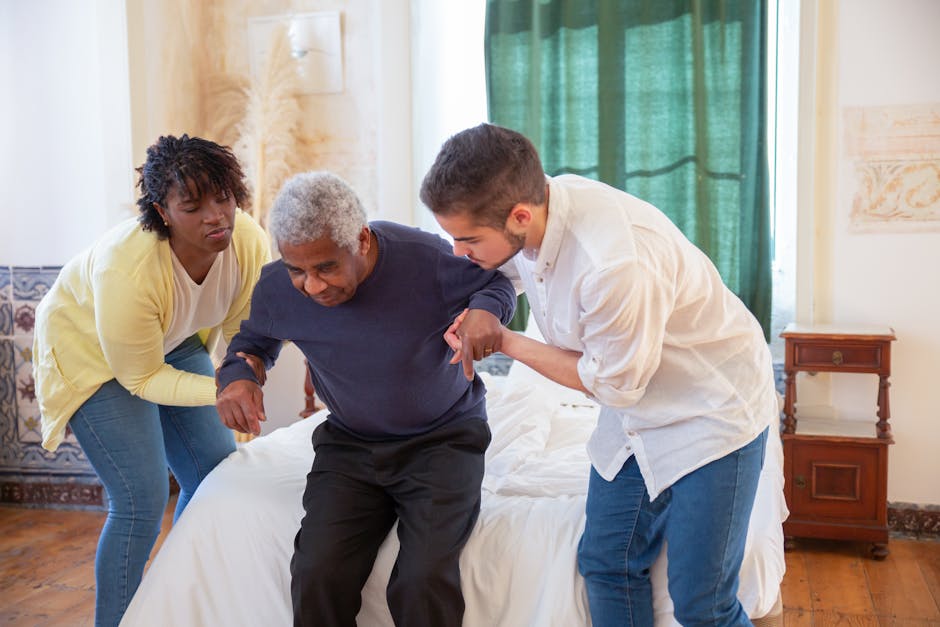
A fall with injury in an older adult is a medical emergency — but even “near falls” or frequent stumbling are serious warning signs. If a loved one has fallen more than twice in six months, or if you’re finding evidence of unreported falls (unexplained bruises, furniture rearranged to use as support), their home environment may no longer be safe.
2. Wandering or Getting Lost
Wandering is among the most dangerous behaviors associated with dementia. If your loved one has wandered from home, gotten lost driving to familiar locations, or cannot reliably return home from the yard, 24-hour supervision in a secure environment may be necessary.
3. Significant Weight Loss or Nutritional Neglect
Unexplained weight loss (10+ pounds in 6 months), a refrigerator full of expired food, or forgetting to eat are serious signs of cognitive or functional decline. Malnutrition accelerates frailty and increases fall and hospitalization risk dramatically.
4. Inability to Manage Medications Safely
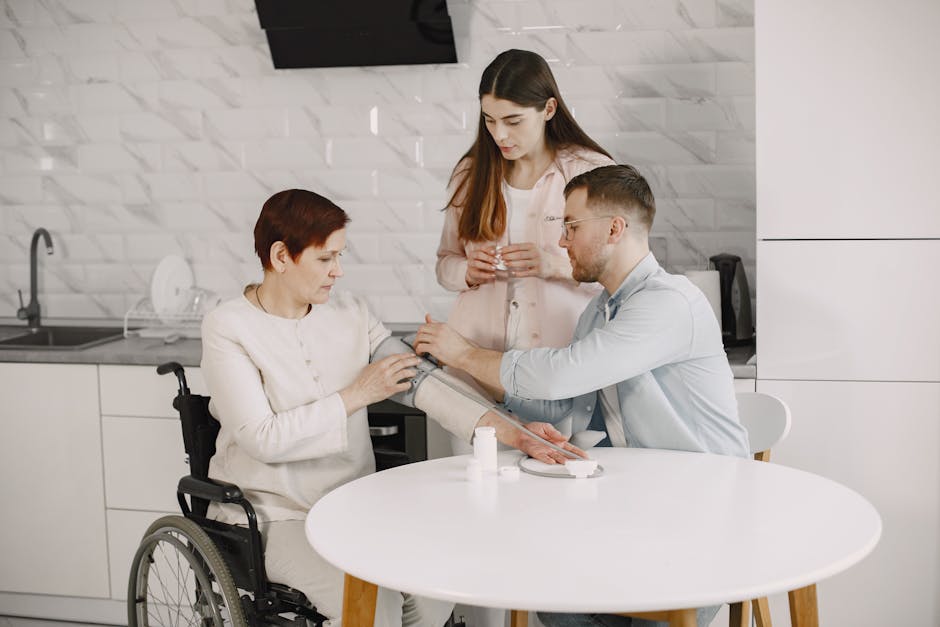
Missed doses, double-dosing, or confusion about which medications to take when can lead to hospitalizations. When medication management requires daily nursing oversight, home care may no longer be adequate.
5. Caregiver Burnout
If the family caregiver is exhausted, resentful, or their own health is declining from the demands of caregiving — this is itself a crisis. Caregiver burnout is associated with higher rates of elder mistreatment and family breakdown. Nursing home care protects both the resident and the caregiver.
6. Incontinence Without Ability to Self-Manage
Bowel or bladder incontinence that a person cannot manage independently — including inability to reach the bathroom in time, or unawareness of accidents — often signals a need for nursing-level care, particularly when it creates hygiene and skin integrity concerns.

7. Increasing Hospitalizations
Frequent emergency room visits or hospitalizations for the same conditions (urinary tract infections, pneumonia, dehydration, falls) often indicate that the current level of care is insufficient to manage the underlying conditions.
8. Inability to Perform Basic Self-Care
When a person can no longer independently bathe, dress, prepare food, or toilet — and requires hands-on assistance for multiple activities of daily living — the care burden typically exceeds what a family caregiver can safely provide alone.
9. Aggressive or Dangerous Behavioral Symptoms
Dementia-related agitation, physical aggression, sundowning (extreme agitation in the evening), or severe sleep disruption can make safe home care impossible. Memory care units in nursing homes are specifically designed and staffed to manage these behaviors safely.
10. A Physician’s or Social Worker’s Recommendation
When the treating physician or a hospital discharge planner recommends nursing home placement — take it seriously. These professionals have experience with the outcomes of families who delay necessary placement, and their recommendations are based on specific clinical evidence about your loved one’s needs.
What to Do Next
If you’re seeing several of these signs, start researching nursing homes in your area now — before a crisis forces a rushed decision. Use Medicare Care Compare to identify highly-rated facilities nearby, and read our guide to choosing a nursing home →
Get Help Evaluating Care Options in Jefferson County
A Place for Mom’s local advisors can assess your loved one’s specific needs and match them to the right level of care — nursing home, assisted living, or in-home care — at no cost to families.
Get a Free Care Assessment →Related Resources

April 19, 2026