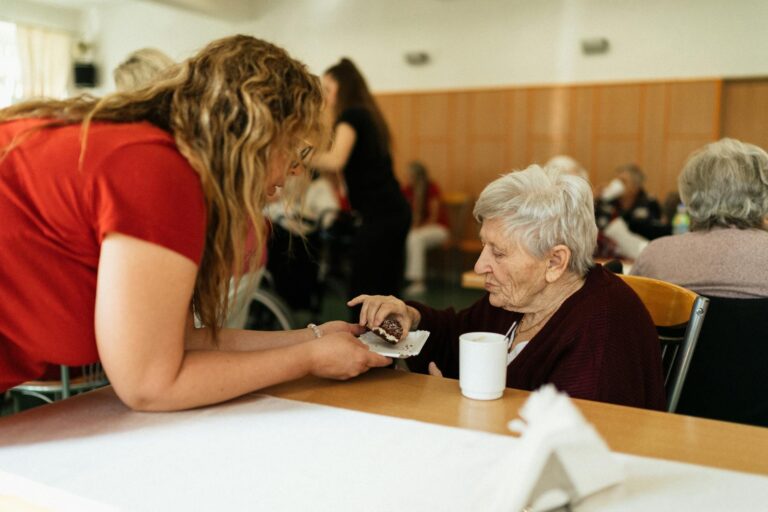
For short-term rehab residents, nursing home activities are a welcome break from intensive therapy. For long-term residents, meaningful activity programming is essential for mental health, cognitive function, and quality of life. Yet activities are one of the most variable aspects of nursing home quality — some facilities offer rich, individualized programming, while others offer little more than TV and bingo.
Why Activities Matter
Research consistently links meaningful engagement to better nursing home outcomes:
- Reduces depression and anxiety, which affect up to 50% of nursing home residents
- Slows cognitive decline in residents with dementia
- Reduces behavioral symptoms in memory care settings
- Improves sleep quality
- Reduces the use of sedating medications
- Increases overall resident satisfaction and family satisfaction scores
What Quality Activity Programming Looks Like

Individualized Activities
The best facilities develop an activity profile for each resident — learning their lifelong hobbies, interests, occupations, and preferences. A former teacher might enjoy leading a current events discussion. A musician might appreciate regular music sessions. A gardener might tend to a courtyard planting box. Generic programming that ignores individual identity is a quality gap.
Variety of Program Types
- Physical: Exercise classes, walking groups, chair yoga, dance
- Creative: Art, music, crafts, creative writing
- Cognitive: Trivia, word games, current events, book clubs
- Social: Birthday celebrations, holiday parties, family events, intergenerational programs
- Spiritual: Religious services, meditation, chaplain visits
- Therapeutic: Pet therapy, music therapy, horticultural therapy
- Outings: Restaurant visits, shopping, parks, community events

Evening and Weekend Programming
Many nursing homes front-load activity programming during business hours and offer very little on evenings and weekends — when staffing is thinnest. Quality facilities maintain programming 7 days a week and offer evening options for residents who prefer a later schedule.
Questions to Ask About Activities
- What is the resident-to-activity-staff ratio? (CMS recommends 1:50 or better)
- Do you offer programming on weekends and evenings?
- How do you learn about individual residents’ interests?
- Do you offer 1-on-1 activities for residents who can’t participate in groups?
- May I see a copy of this week’s activity calendar?
- What do you offer for residents with dementia specifically?
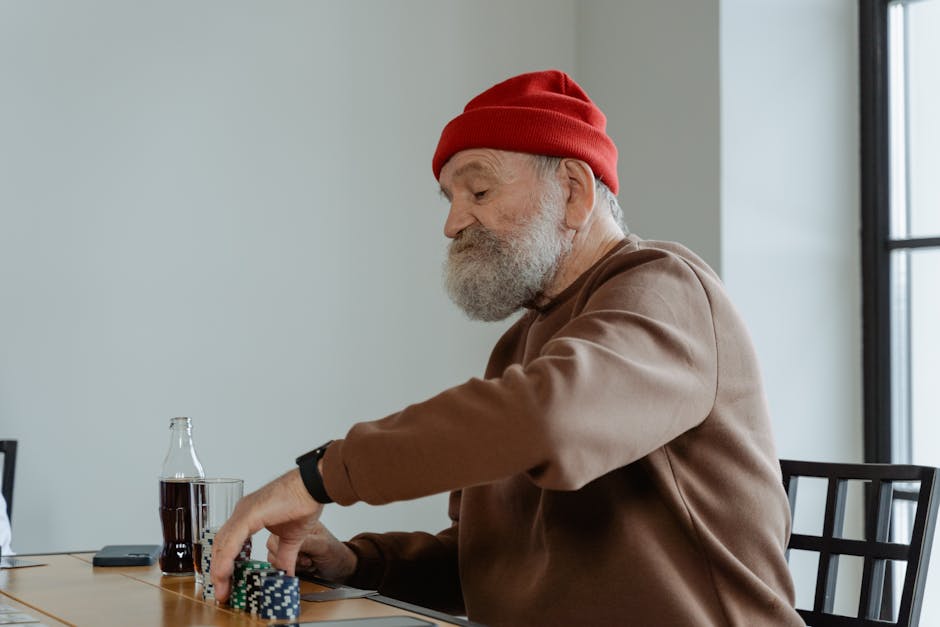
Family’s Role in Activities
Family visits are the most meaningful “activity” for many residents. Beyond visits, families can:
- Share their loved one’s history and interests with the activity staff
- Bring favorite music, books, or craft supplies from home
- Participate in facility activities and events
- Advocate for individualized programming if the current programming isn’t meeting their loved one’s needs