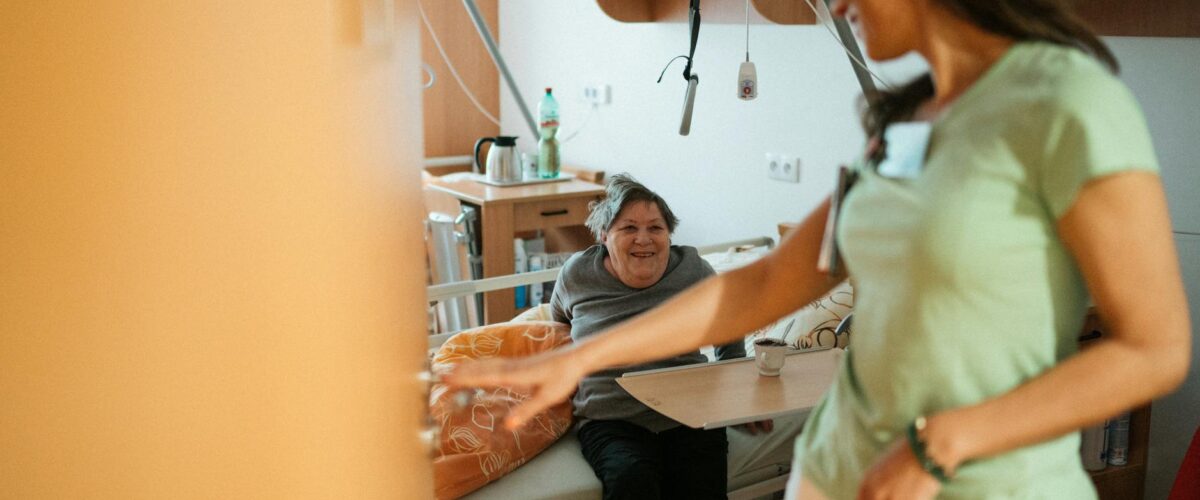
Discharge from a skilled nursing facility is a milestone — but the transition home is also one of the highest-risk periods of the entire recovery process. Studies show that up to 25% of SNF patients are readmitted to the hospital within 30 days of discharge. Careful planning dramatically reduces this risk.
When Is a Patient Ready to Go Home?
Discharge timing should be clinically driven — not driven by insurance coverage. You are ready to go home when:
- Your therapists have cleared you for safe independent or supervised function at home
- Your medical condition is stable and your medications are reconciled
- Your home environment has been assessed and necessary modifications are in place
- Follow-up care (home health, outpatient PT, physician appointments) is scheduled
- Family caregivers have been trained in any assistance they’ll provide
Before You Leave: The Discharge Checklist
Medical

- Request a complete discharge summary — medication list, diagnoses, pending follow-ups, and wound care instructions if applicable
- Confirm all prescription medications are filled and you understand how to take them
- Schedule your first follow-up appointment with your primary care physician — within 7 days of discharge if possible
- Understand your warning signs: when to call the doctor vs. when to go to the ER
Home Safety
- Grab bars installed in bathroom (ideally before discharge)
- Shower chair or tub bench in place
- Area rugs removed
- Adequate lighting in all areas, especially nighttime path to bathroom
- Walker or other assistive device fits through doorways
- Sleeping area accessible without climbing stairs (if applicable)
Follow-Up Care
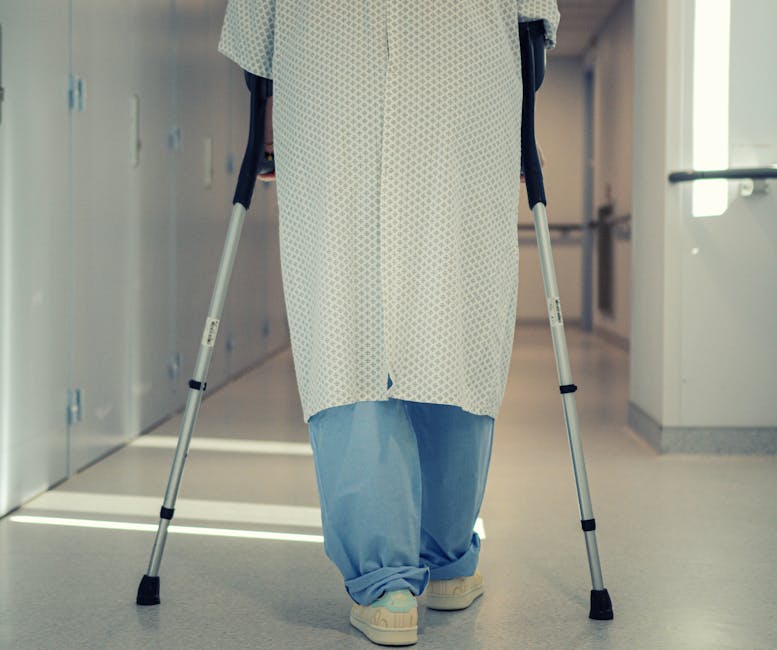
- Home health scheduled — a nurse should visit within 24–48 hours of discharge
- Outpatient physical therapy scheduled (if you’ll continue PT as outpatient)
- Any specialty follow-ups confirmed (surgeon, cardiologist, neurologist)
The First 2 Weeks at Home: High-Risk Period
The two weeks following SNF discharge carry the highest risk of readmission. Common triggers:
- Medication errors: Hospitals and SNFs often change medications; reconciliation errors at home are common
- Falls: The home environment presents hazards the SNF didn’t
- Dehydration and poor nutrition: Without nursing oversight, fluid and food intake often drops
- Unrecognized symptom deterioration: Know your warning signs and don’t hesitate to call
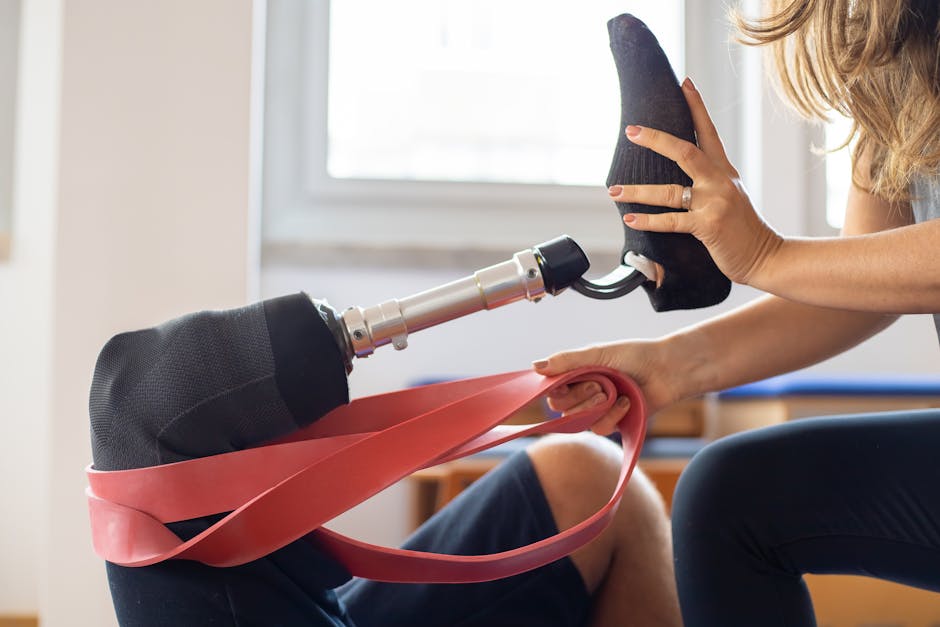
Do Your Home Exercises
Your therapists will give you a home exercise program. These exercises are medicine — skipping them slows recovery and increases fall risk. Post them somewhere visible (bathroom mirror, kitchen) and do them at the same time every day.
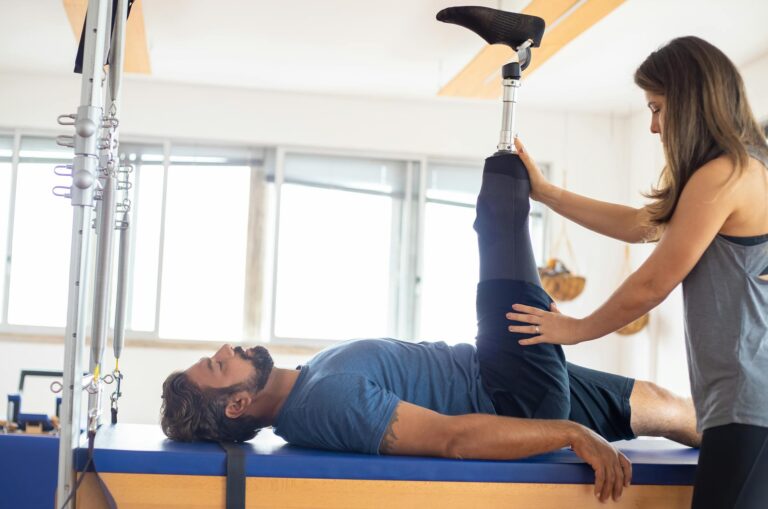
If outpatient PT is part of your plan, attend every appointment. The work you do in the months following SNF discharge often determines your long-term functional outcome.
Related Resources


April 19, 2026