
The terms “nursing home” and “skilled nursing facility” are used so interchangeably that most people assume they’re identical — or completely different. The reality is more nuanced, and the distinction matters for Medicare coverage and choosing the right level of care.
The Technical Distinction
Skilled Nursing Facility (SNF) is the official Medicare and Medicaid designation for a facility certified to provide skilled care — services requiring a licensed nurse or therapist. To maintain SNF certification, a facility must meet federal standards and pass regular CMS inspections.
Nursing Home is the everyday term used by the general public. Most nursing homes are also certified SNFs. Some facilities use “nursing home” specifically to describe their long-term custodial care unit, distinct from the short-term rehab (SNF) unit.
Why the Distinction Matters for Medicare
Medicare Part A covers skilled nursing facility care — not custodial nursing home care. When Medicare evaluates whether to pay, it’s asking: does this patient need skilled care that can only be safely performed by a licensed professional? When the answer is yes, Medicare pays. When a resident only needs help with daily activities (custodial care), Medicare does not pay regardless of where they live.

Two Units Under One Roof
Most larger facilities operate both:
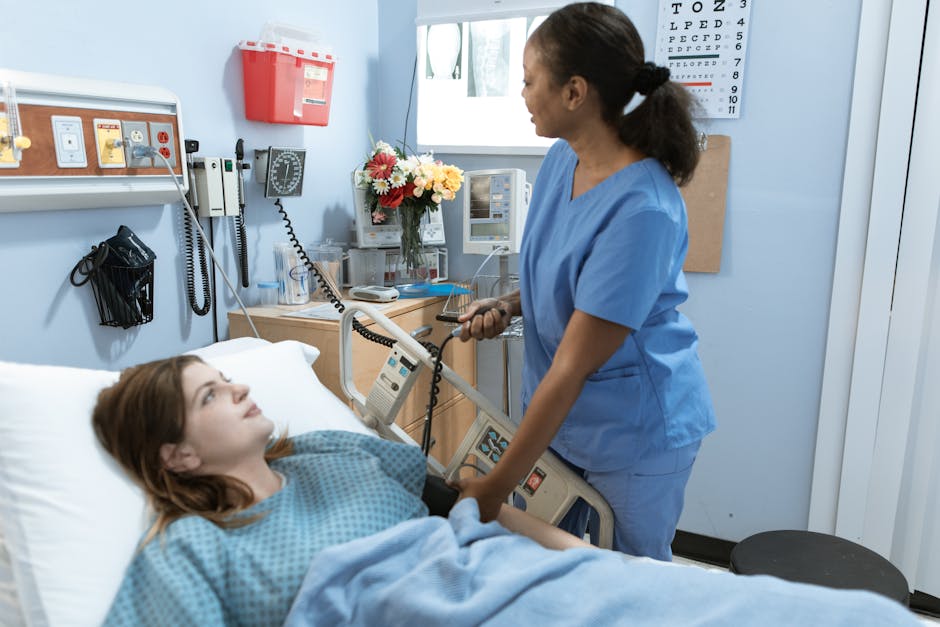
- Short-term rehab unit: Intensive therapy for post-hospital recovery. Medicare pays for up to 100 days.
- Long-term care unit: Ongoing nursing and custodial care. Paid by Medicaid, long-term care insurance, or private pay.
A patient may start in the short-term rehab unit under Medicare and later transition to the long-term care unit under Medicaid — within the same building.
Related Resources





April 19, 2026

April 19, 2026