Not all nursing homes are the same. The type of facility that’s right for your loved one depends on their medical needs, financial situation, and personal preferences.
Skilled Nursing Facilities (Short-Term Rehab)
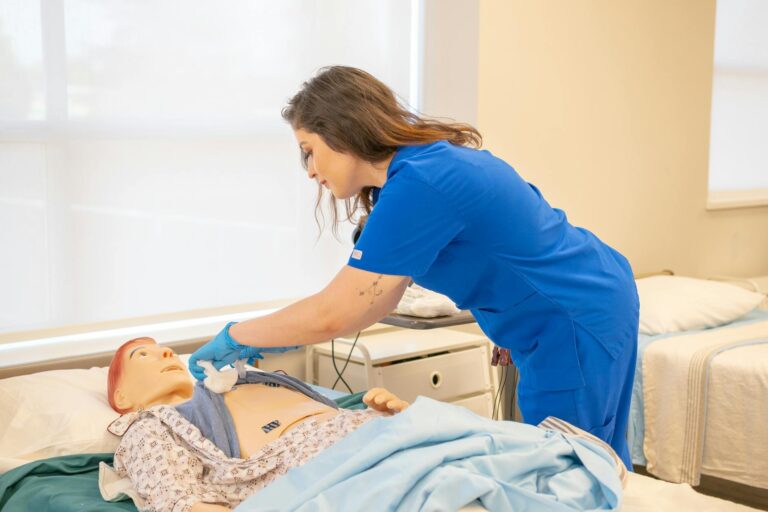
The most medically intensive nursing home setting. After a hospitalization for surgery, stroke, or serious illness, a skilled nursing facility provides intensive rehabilitation (PT, OT, speech) and skilled nursing care. Medicare covers this level of care for up to 100 days after a qualifying hospital stay. Goal: return home as quickly as safely possible.
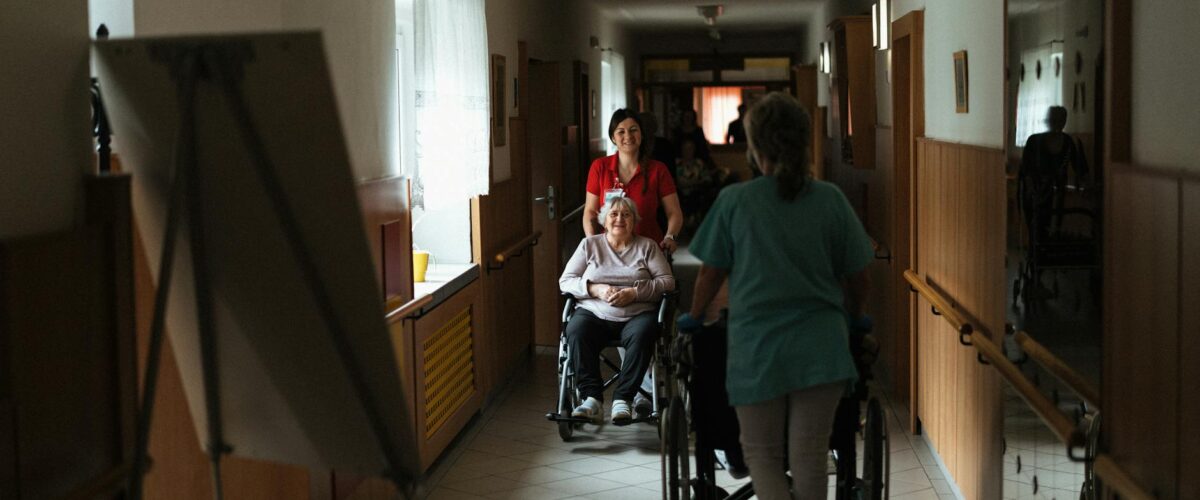
Long-Term Care Nursing Homes
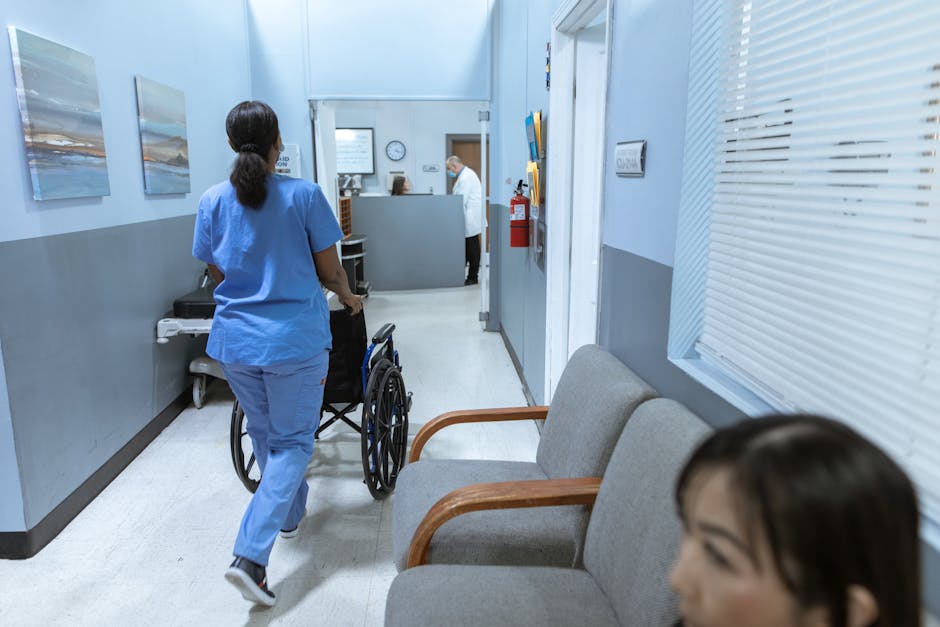
For residents who cannot return home and need ongoing nursing supervision and assistance with daily activities. Long-term care is primarily funded by Medicaid (after spending down to eligibility), private pay, or long-term care insurance. Medicare does not cover purely custodial long-term care.
Memory Care Units
Secured, specialized units within nursing homes (or standalone facilities) designed for residents with Alzheimer’s disease or other forms of dementia with behavioral symptoms. Features include secured perimeters, specially trained staff, structured programming, and environments designed to reduce confusion and agitation.
Subacute / Post-Acute Care Units
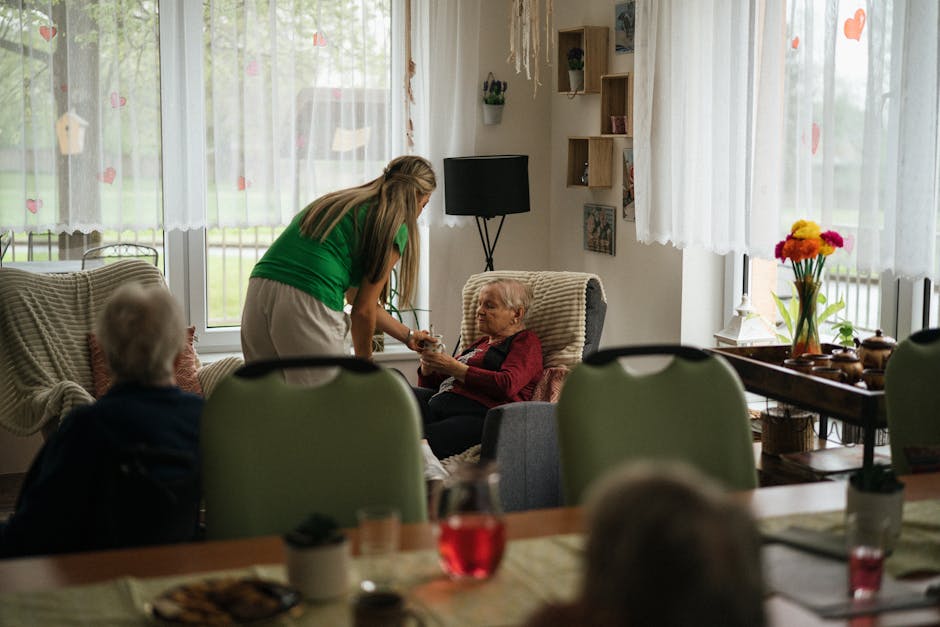
A step below hospital intensity but above standard nursing home care. Used for medically complex patients — ventilator weaning, wound VAC therapy, IV antibiotic therapy — who no longer require hospitalization but aren’t ready for standard SNF care. Not all nursing homes have subacute capability.

Continuing Care Retirement Communities (CCRCs)
Campus-style communities that offer a continuum of care — independent living, assisted living, and skilled nursing — on one property. Residents can transition between levels as needs change without relocating. Typically require a significant entrance fee plus monthly fees.
Related Resources

April 19, 2026