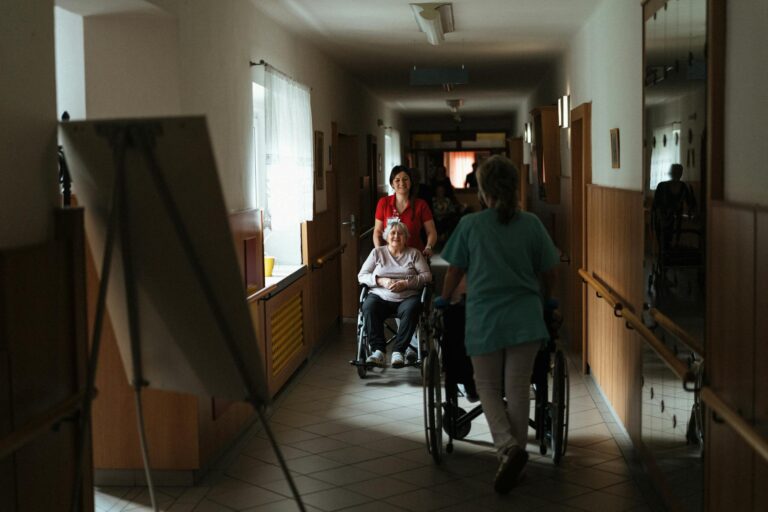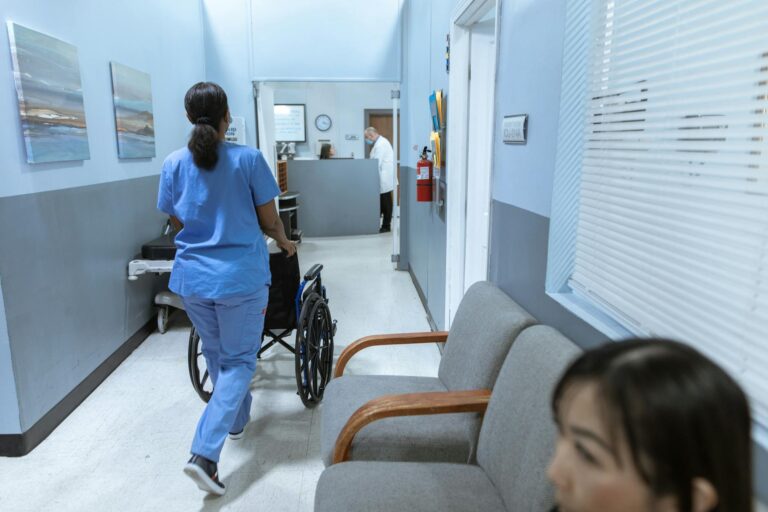
Many families worry about what daily life looks like inside a nursing home. While every facility is different, here’s a realistic picture of what a typical day involves — and what quality facilities do to make it meaningful.
Morning (6:00 a.m. – 12:00 p.m.)
- 6:00–8:00 a.m.: Morning care begins — nursing aides assist with bathing, dressing, and grooming according to each resident’s scheduled routine and preferences
- 7:30–8:30 a.m.: Breakfast served in the dining room or delivered to the room
- 9:00–11:30 a.m.: Therapy sessions for rehab residents (physical therapy, occupational therapy, speech therapy); activities and programming for long-term residents (exercise group, Bible study, current events discussion)
- Mid-morning: Medication administration; physician or nurse practitioner rounds
Afternoon (12:00 – 5:00 p.m.)

- 12:00–1:00 p.m.: Lunch — often the largest meal of the day; many facilities offer restaurant-style ordering with menu choices
- 1:00–3:00 p.m.: Rest period or additional therapy sessions; afternoon activities (arts and crafts, movies, music, pet therapy, outdoor time)
- 3:00–5:00 p.m.: Visiting hours peak time; family members welcome; snacks available
Evening (5:00 – 10:00 p.m.)

- 5:00–6:00 p.m.: Dinner; evening medications
- 6:00–9:00 p.m.: Evening activities, TV time, family visits, phone calls
- 8:00–10:00 p.m.: Evening care — assistance with preparing for bed; nighttime medications
What Good Facilities Do Differently
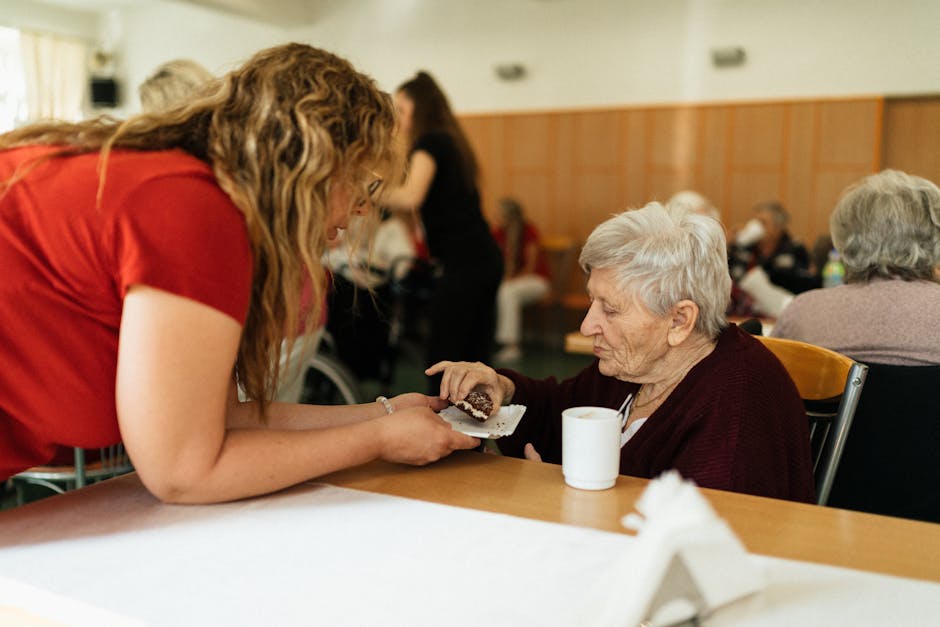
- Offer meaningful choice in daily routines — residents who prefer late wake-up times or non-traditional meal times are accommodated
- Provide genuine activity programming, not just “parking” residents in front of a TV
- Treat mealtimes as social events, not just nutrition delivery
- Maintain consistent staff assignments so residents build genuine relationships with their caregivers
Related Resources