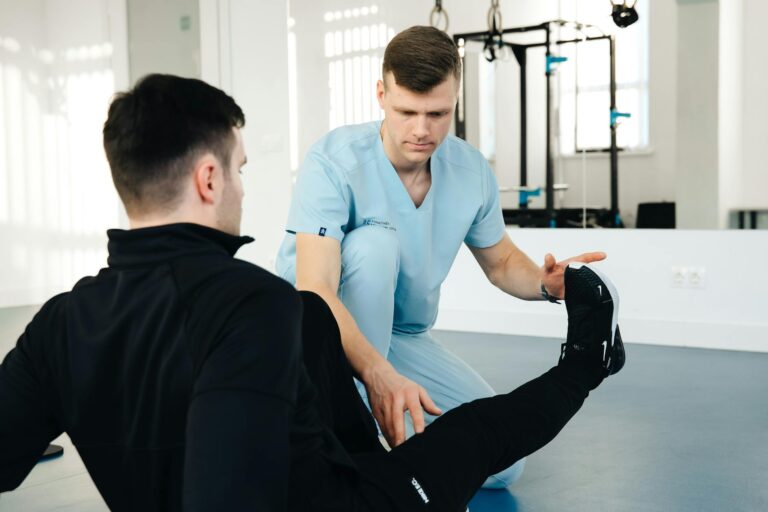
Speech-language pathologists (SLPs) — commonly called speech therapists — address two critical areas after stroke, brain injury, or serious illness: safe swallowing and effective communication. Their work is often life-saving, particularly for patients with swallowing disorders who are at risk of aspiration pneumonia.
Dysphagia: Swallowing Disorders
Dysphagia (difficulty swallowing) is extremely common after stroke, affecting up to 65% of acute stroke patients. Left untreated, dysphagia leads to aspiration — food and liquid entering the airway — which can cause aspiration pneumonia, a leading cause of post-stroke death.
Speech therapists evaluate swallowing function using:
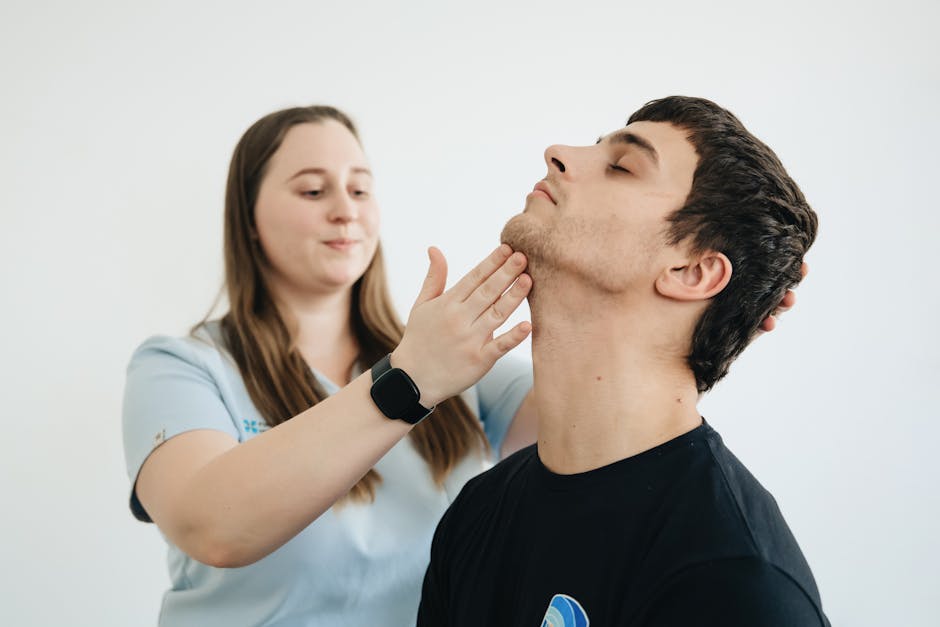
- Clinical swallowing evaluation: Bedside assessment of swallowing mechanics, voice quality, and signs of aspiration
- Modified barium swallow study (MBSS): Videofluoroscopic imaging of swallowing with different food and liquid textures
- Fiberoptic endoscopic evaluation of swallowing (FEES): Direct visualization of swallowing using a flexible endoscope
Based on findings, the SLP recommends appropriate diet texture levels (IDDSI framework: regular, minced, pureed) and liquid thickening if needed.
Communication Disorders After Stroke
Aphasia
Aphasia is a language disorder caused by damage to language areas of the brain (typically the left hemisphere). It affects speaking, understanding, reading, and writing — but not intelligence. Speech therapy for aphasia uses structured language exercises, augmentative communication strategies, and family training.
Dysarthria
Dysarthria is a motor speech disorder causing slurred, slow, or unclear speech due to muscle weakness or incoordination. Unlike aphasia, the language system is intact — only the physical production of speech is affected. Treatment focuses on strengthening oral muscles and improving speech intelligibility.
Voice Disorders and Cognitive Communication
SLPs also address voice disorders (hoarseness, vocal cord paralysis) and cognitive-communication deficits — memory, attention, problem-solving, and organization difficulties that affect daily communication after brain injury.
Related Resources