Physical rehabilitation helps people recover from surgery, stroke, injury, and serious illness. Whether you or a loved one needs short-term recovery after a hospital stay or ongoing therapy for a chronic condition, understanding what physical rehabilitation involves helps you get the most out of the care you receive.
What Is Physical Rehabilitation?
Physical rehabilitation — often called “rehab” — is a coordinated set of therapies and medical services designed to restore function, reduce pain, and help a person return to the highest possible level of independence. In a skilled nursing facility setting, rehabilitation typically involves a team of:
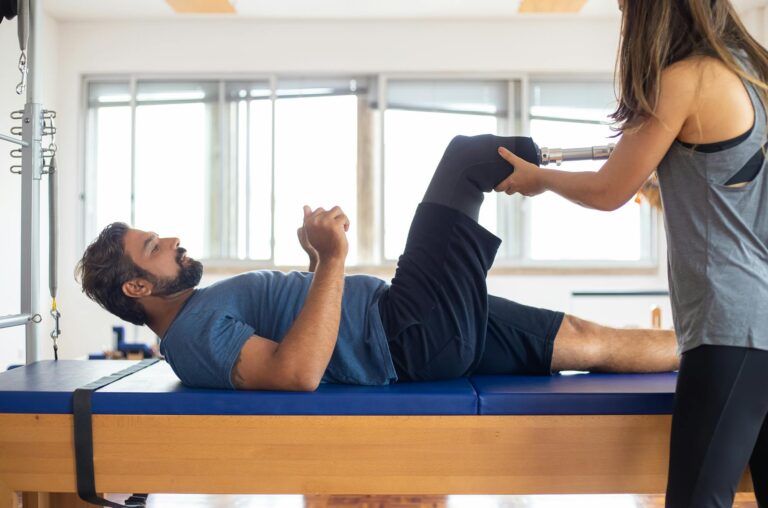
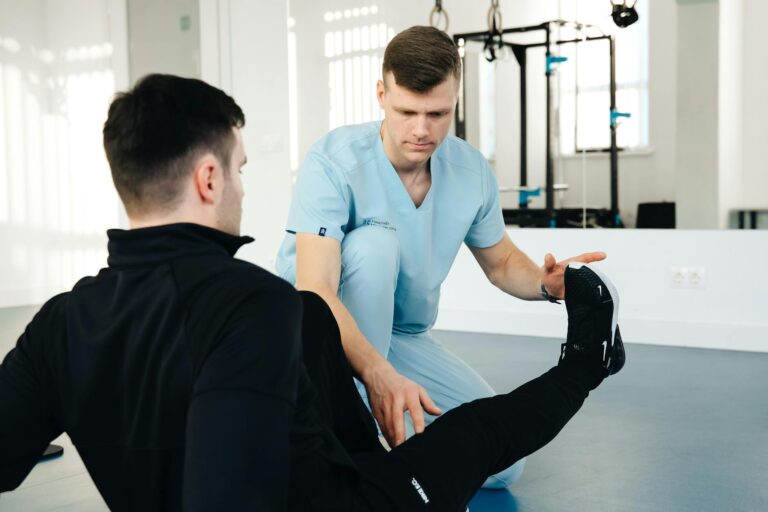
- Physical Therapists (PTs): Focus on mobility, strength, balance, and pain management
- Occupational Therapists (OTs): Help patients relearn daily activities like dressing, bathing, and cooking
- Speech-Language Pathologists (SLPs): Address swallowing difficulties, communication, and cognitive issues after stroke or neurological injury
- Registered Nurses (RNs): Coordinate medical care during the rehabilitation process
Who Needs Physical Rehabilitation?
Physical rehabilitation is typically recommended after:
- Hip or knee replacement surgery
- Stroke or transient ischemic attack (TIA)
- Cardiac surgery or heart attack
- Serious fall with fractures
- Spinal surgery
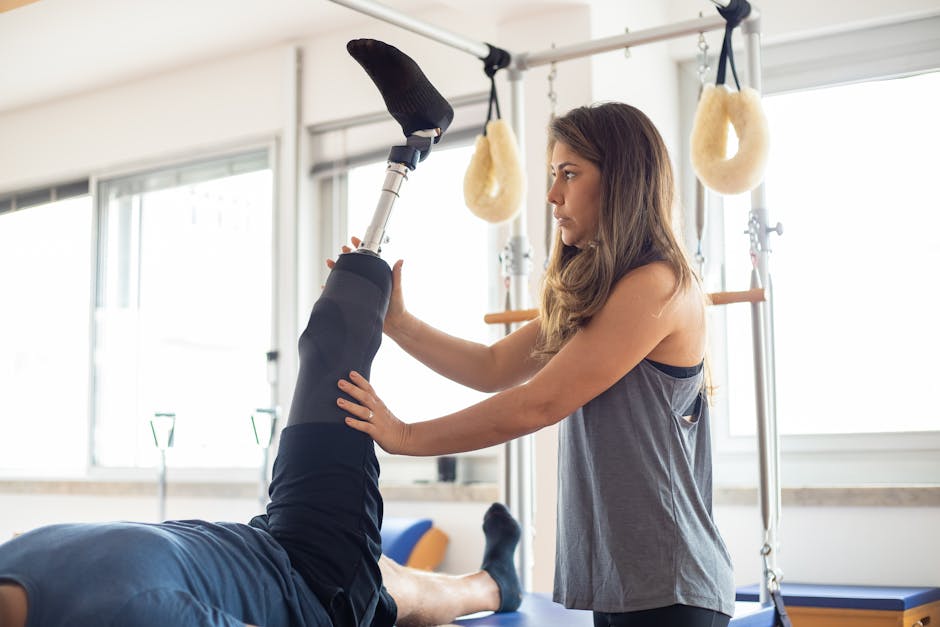
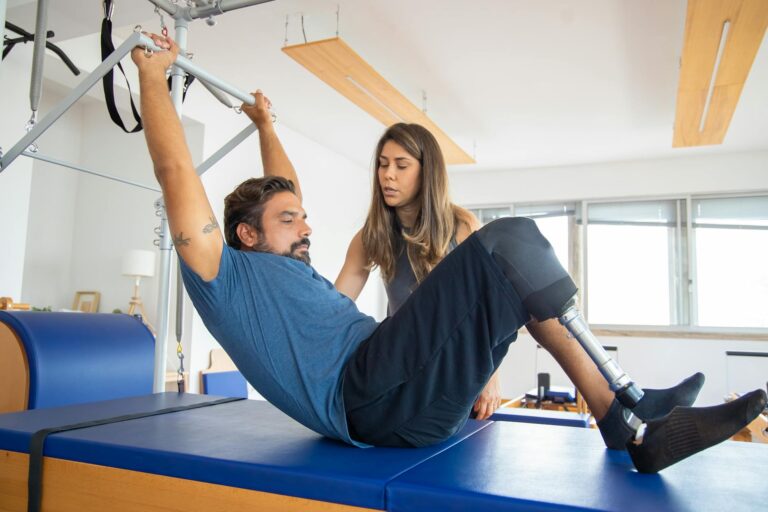
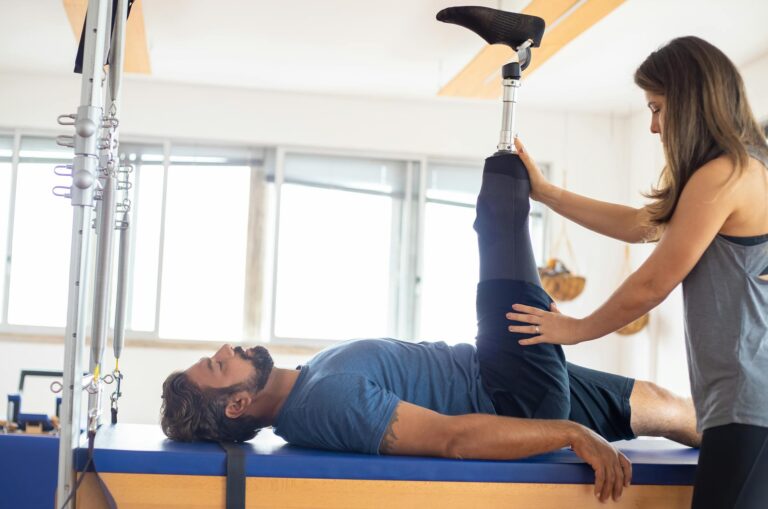
- Amputation
- Pneumonia or severe illness requiring extended hospitalization
- Neurological conditions (Parkinson’s, multiple sclerosis)
Short-Term vs. Long-Term Rehabilitation
| Short-Term Rehab | Long-Term Rehab | |
|---|---|---|
| Typical duration | 2–8 weeks | Months to ongoing |
| Goal | Return home after surgery/illness | Maximize function with chronic condition |
| Common causes | Hip replacement, stroke, pneumonia | Severe stroke, spinal injury, neurological disease |
| Medicare coverage | Up to 100 days (skilled care) | Limited (skilled care only) |
| Setting | Skilled nursing facility | Skilled nursing facility or home with outpatient PT |
Full comparison: short-term rehab vs. long-term care →
What Happens in Skilled Nursing Rehabilitation?
In a skilled nursing facility like Scenic Nursing and Rehabilitation Center, the rehabilitation process typically follows this sequence:
- Day 1–2: Intake assessment — therapists evaluate your current strength, mobility, cognition, and functional status
- Day 2–3: Individualized care plan created — specific goals and therapy frequency determined
- Weeks 1–4: Active therapy — typically 1–3 hours per day of PT, OT, and/or speech therapy
- Ongoing: Weekly progress assessments — goals adjusted, discharge planning begins when ready
- Discharge: Home assessment, outpatient therapy referrals, home health setup if needed
Types of Therapy in Rehabilitation
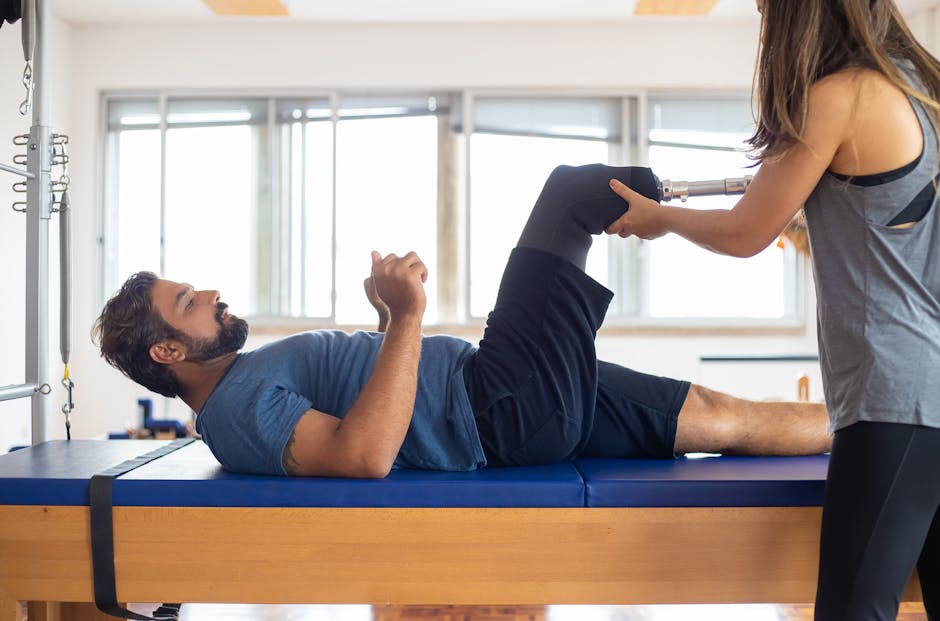
- Physical Therapy: Gait training, strength exercises, balance work, pain management, fall prevention. Learn more →
- Occupational Therapy: ADL retraining, adaptive equipment, cognitive rehabilitation, home safety planning. Learn more →
- Speech Therapy: Dysphagia (swallowing) management, aphasia treatment, cognitive-communication therapy. Learn more →
Rehabilitation Recovery Timelines
Recovery timelines vary by condition and individual health factors:
- Hip replacement: 2–6 weeks of SNF rehab; most return home within 4 weeks
- Knee replacement: 1–3 weeks of SNF rehab; many complete recovery as outpatient
- Stroke: Highly variable — days to months depending on severity; some patients need long-term SNF care
- Cardiac event: Typically 1–3 weeks of SNF rehab
- Hip fracture: 2–6 weeks of SNF rehab; older adults may need longer
Frequently Asked Questions
Q: What’s the difference between physical therapy and occupational therapy?
A: Physical therapy focuses on movement, strength, and mobility. Occupational therapy focuses on the ability to perform daily activities (dressing, cooking, driving). Both are often provided simultaneously after surgery or stroke.
Q: Does Medicare cover physical rehabilitation in a nursing home?
A: Yes, if you’ve had a qualifying 3-day hospital stay and need skilled therapy. Medicare covers up to 100 days per benefit period at a certified skilled nursing facility.
Q: Can I go directly to a rehabilitation facility without going through a hospital?
A: Medicare’s SNF benefit requires a prior 3-day hospital stay. However, private-pay patients can go directly. Some facilities also offer outpatient therapy without any hospital stay requirement.
Award-Winning Rehabilitation
Scenic Nursing and Rehabilitation Center — Herculaneum, MO
Named one of America’s Best Nursing Homes by Newsweek 2025 and an AHCA Silver Quality Award recipient. Our skilled therapy team serves Jefferson County and the greater St. Louis area.
Request Information →Related Resources
April 19, 2026