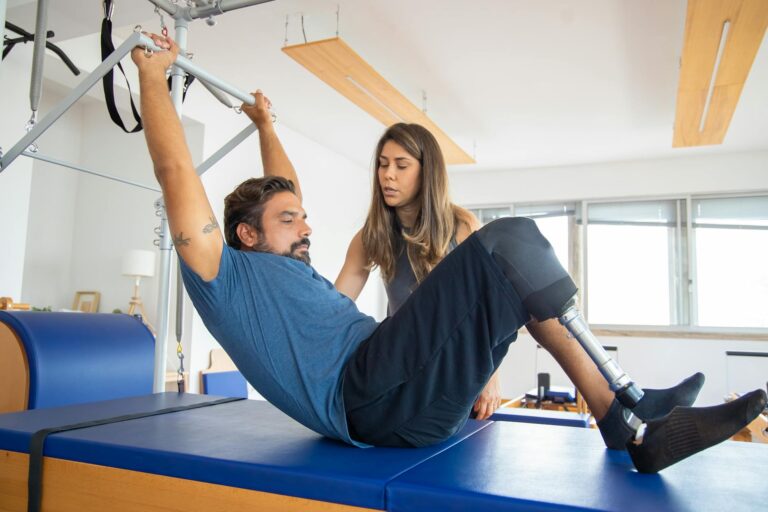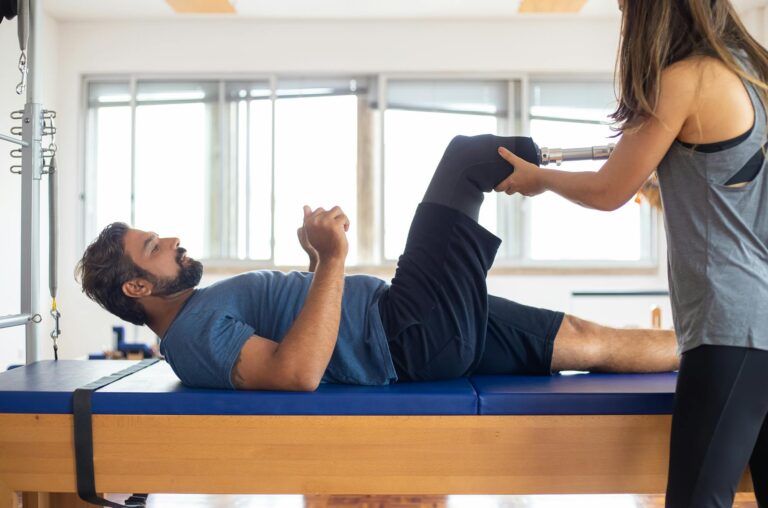
One of the first questions patients and families ask when entering rehabilitation is: “How long will this take?” The honest answer is that it depends — on the condition, the individual’s age and overall health, therapy intensity, and motivation. But here are realistic evidence-based timelines for the most common rehabilitation scenarios.
Hip Replacement Recovery
- SNF rehab: 2–4 weeks for most patients
- Return to most daily activities: 6–8 weeks
- Full recovery (pain-free, normal strength): 3–6 months
- Long-term: Most patients report excellent outcomes for 15–20 years
Knee Replacement Recovery
- SNF rehab (if needed): 1–3 weeks
- Return to driving: 4–6 weeks
- Significant improvement: 3 months
- Full recovery: 6–12 months (swelling continues to resolve up to 1 year)
Stroke Recovery

Stroke recovery is the most variable of all rehabilitation timelines:
- Mild stroke: Most deficits resolve within weeks to a few months
- Moderate stroke: Significant recovery in first 3–6 months; continued improvement possible for years
- Severe stroke: Permanent deficits are common; rehabilitation focuses on maximizing function within those limitations
The first 3 months after stroke are the most critical for neuroplasticity — intensive therapy during this window produces the greatest gains.
Hip Fracture

- SNF rehab: 2–6 weeks (longer than elective hip replacement due to emergency nature and often poorer baseline health)
- Return to prior function: 4–6 months for healthy older adults
- Note: A significant percentage of hip fracture patients do not return to their pre-fracture level of function — early, aggressive rehab is the best predictor of good outcomes
Cardiac Surgery (Open-Heart / Bypass)
- SNF rehab: 1–3 weeks
- Return to light activity: 4–6 weeks
- Full recovery: 2–3 months; cardiac rehab (outpatient program) typically continues 12 weeks after discharge
General Deconditioning / Prolonged Hospitalization
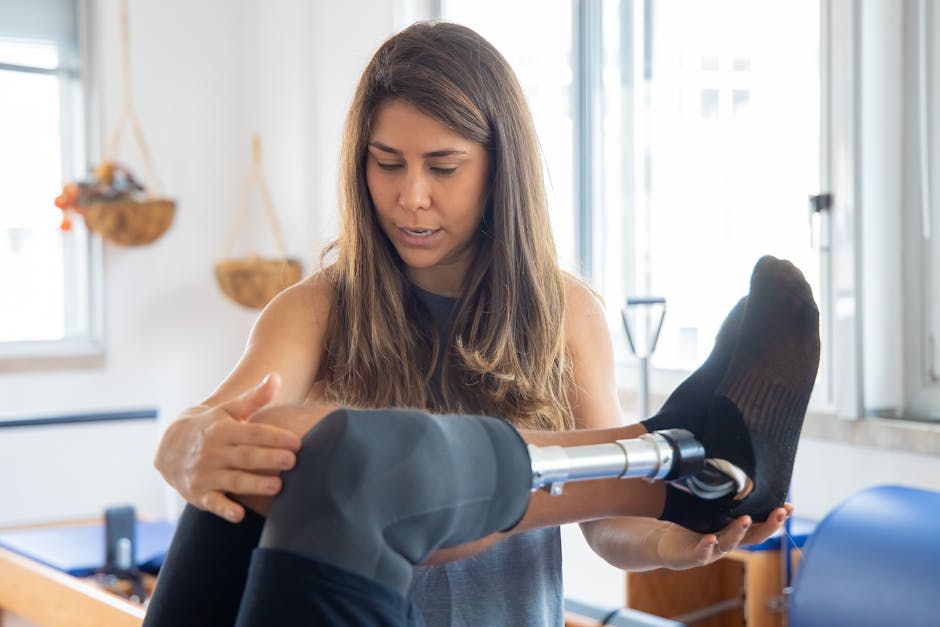
Older adults can lose significant muscle mass and functional capacity during a hospitalization for any cause — pneumonia, sepsis, COVID-19. Rehabilitation for deconditioning typically takes 1–3 weeks in an SNF, followed by outpatient or home health therapy.
Factors That Affect Recovery Speed
- Age: Older adults generally recover more slowly, but age alone is not a barrier to excellent recovery
- Baseline fitness: Higher pre-injury fitness = faster recovery
- Comorbidities: Diabetes, heart disease, and obesity slow healing and recovery
- Motivation and engagement: Patients who actively participate in therapy and do their home exercises recover faster
- Therapy intensity: More therapy hours per day produce faster results, to a point
- Nutrition: Adequate protein intake is essential for tissue repair and muscle building during rehab
Related Resources