Nursing home abuse and neglect are serious problems in the U.S. long-term care system. According to the World Health Organization, approximately 1 in 6 older adults in care settings experiences some form of abuse. Knowing the warning signs — and the appropriate response — is essential for every family with a loved one in a nursing home.
Types of Nursing Home Abuse
- Physical abuse: Hitting, pushing, inappropriate restraint, rough handling during care
- Emotional/psychological abuse: Verbal humiliation, threats, isolation, infantilizing behavior
- Sexual abuse: Any non-consensual sexual contact or exposure
- Financial exploitation: Unauthorized use of a resident’s money, property, or accounts
- Neglect: Failure to provide necessary care — the most common form. Includes allowing pressure injuries, dehydration, soiled clothing, or missed medications.
Physical Warning Signs
- Unexplained bruises, especially on the arms, torso, or face — particularly in patterns suggesting restraint
- Pressure injuries (bedsores) that weren’t present before admission or have significantly worsened
- Significant, unexplained weight loss
- Signs of dehydration: dry mouth, sunken eyes, dark urine
- Soiled clothing or bedding noted at visits
- Medication errors (being over- or under-medicated)
Behavioral and Emotional Warning Signs
- Sudden withdrawal, depression, or fearfulness that’s new or unexplained
- Anxiety or agitation when specific staff members are present
- A loved one who previously spoke openly with you suddenly becomes quiet or evasive
- Reluctance to talk when staff are in the room (family should request private time with their loved one)
Financial Warning Signs
- Unexplained withdrawals from bank accounts
- Missing personal belongings (jewelry, electronics, cash)
- Unusual changes to wills, trusts, or power of attorney documents
- Bills going unpaid when money should be available
What to Do If You Suspect Abuse or Neglect
- Document everything: Photograph injuries with date and time. Write down what you observed and when.
- Speak to the Director of Nursing or Administrator: Raise concerns directly with facility leadership and request a written response
- Contact the Missouri Long-Term Care Ombudsman: (800) 309-3282 — free advocates for nursing home residents who can investigate concerns
- File a complaint with the Missouri DHSS: (800) 392-0210 — triggers a state inspection
- For immediate danger: Call 911. Physical abuse is a crime.
- Consult an elder law attorney: If you believe abuse has occurred, legal action may be warranted
Prevention: The Best Strategy
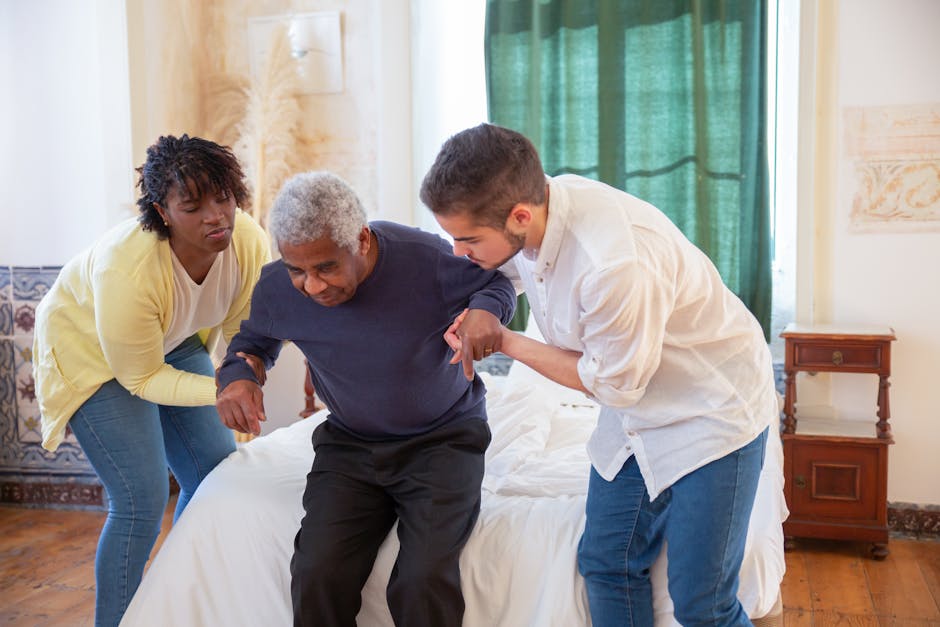
Research consistently shows that residents who receive frequent family visits — especially unannounced visits at varying times of day — receive better care. Your visible presence signals to staff that this resident has people watching out for them. Visit often, at different times, and trust your instincts.