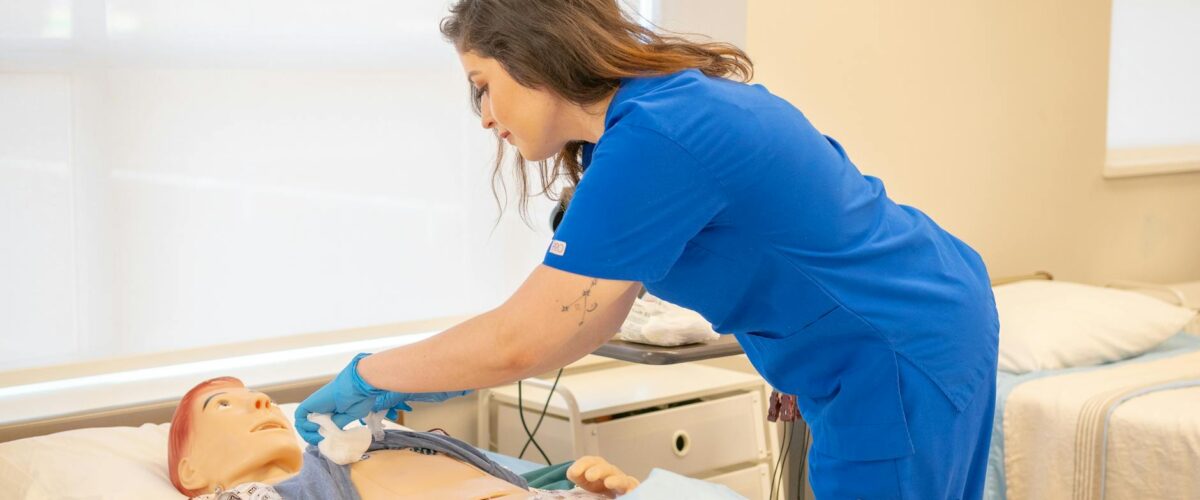
The terms “skilled nursing facility” and “nursing home” are used so interchangeably that many people assume they mean entirely different things. The reality is more nuanced — and understanding the distinction can matter when navigating Medicare coverage and choosing care for a loved one.
Skilled Nursing Facility: The Official Definition
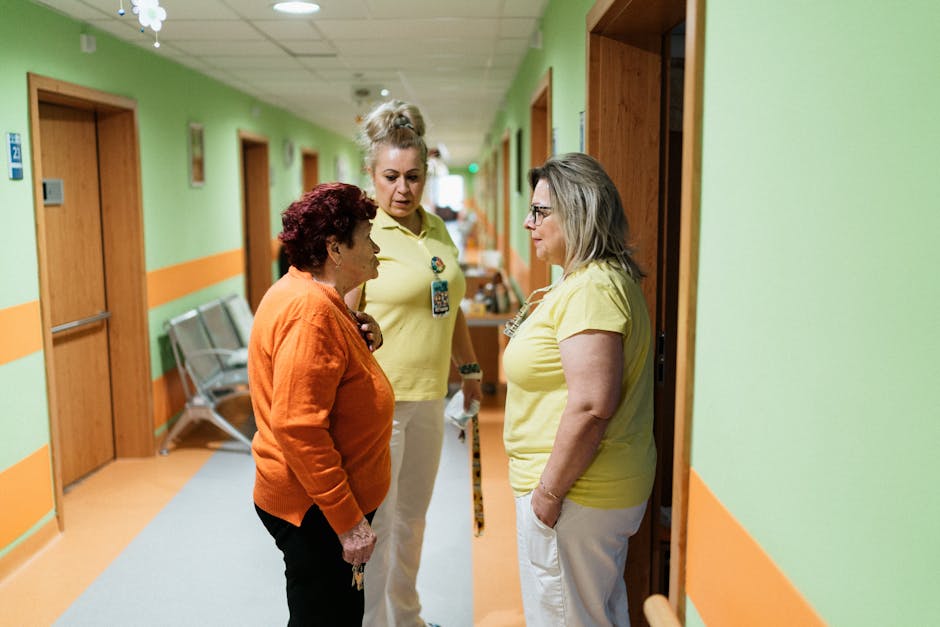
A skilled nursing facility (SNF) is the official Medicare and Medicaid term for a facility that is certified to provide skilled nursing and rehabilitation services. To be Medicare-certified, an SNF must meet federal standards for staffing, safety, and quality of care — and is regularly inspected by state health departments on behalf of CMS (Centers for Medicare & Medicaid Services).
The defining characteristic of a skilled nursing facility is the presence of skilled care — services that can only be safely and effectively performed by or under the supervision of a licensed professional (an RN, LPN, or licensed therapist).
What “Skilled Care” Actually Means
Skilled care is the reason Medicare pays for SNF stays. It includes:
- Intravenous (IV) medication administration and monitoring
- Complex wound care requiring nursing assessment and treatment
- Tube feeding management
- Catheter care and monitoring
- Physical therapy to restore mobility and strength after surgery or injury
- Occupational therapy to relearn daily living skills
- Speech therapy for swallowing disorders (dysphagia) and communication impairments
- Monitoring of unstable medical conditions requiring regular nursing assessment
SNF vs. Nursing Home: What’s the Actual Difference?
In everyday usage, “skilled nursing facility” and “nursing home” refer to the same type of facility. Legally:
- Skilled nursing facility is the Medicare/Medicaid term, emphasizing the skilled care component
- Nursing home is the colloquial term used by the general public
- Most nursing homes are also certified SNFs
- Some facilities use “nursing home” to describe long-term custodial care wings, while “SNF” refers specifically to the short-term rehabilitation unit
Two Types of Care Under One Roof
Many facilities actually operate two distinct wings or programs:
- Short-term rehabilitation (SNF unit): For patients recovering from surgery, stroke, or hospitalization. Medicare covers this unit for up to 100 days after a qualifying hospital stay. Therapy is typically intensive — 1–3 hours per day.
- Long-term care (nursing home unit): For residents who need permanent nursing home placement due to advanced dementia, chronic illness, or inability to return home. Paid for by Medicaid, private pay, or long-term care insurance.
Why This Distinction Matters for Medicare Coverage
Medicare Part A covers skilled nursing facility care — not custodial care in a nursing home. If a resident no longer needs skilled care (therapy or nursing services) but still needs help with daily activities, Medicare stops paying. Understanding this distinction helps families plan financially and avoid unexpected bills.
Learn more: Does Medicare Cover Nursing Home Care? →
How to Find a Quality SNF
Every Medicare-certified SNF is rated on Medicare Care Compare using a 1–5 star scale. Look for facilities with 4–5 stars in staffing — this is the strongest predictor of care quality. Read the most recent health inspection report before choosing a facility.
Related Resources


April 19, 2026
April 19, 2026