
Understanding the fundamentals of nursing home care — what these facilities are, who they serve, and what daily life looks like — helps families make better decisions and set realistic expectations.
What Is a Nursing Home?
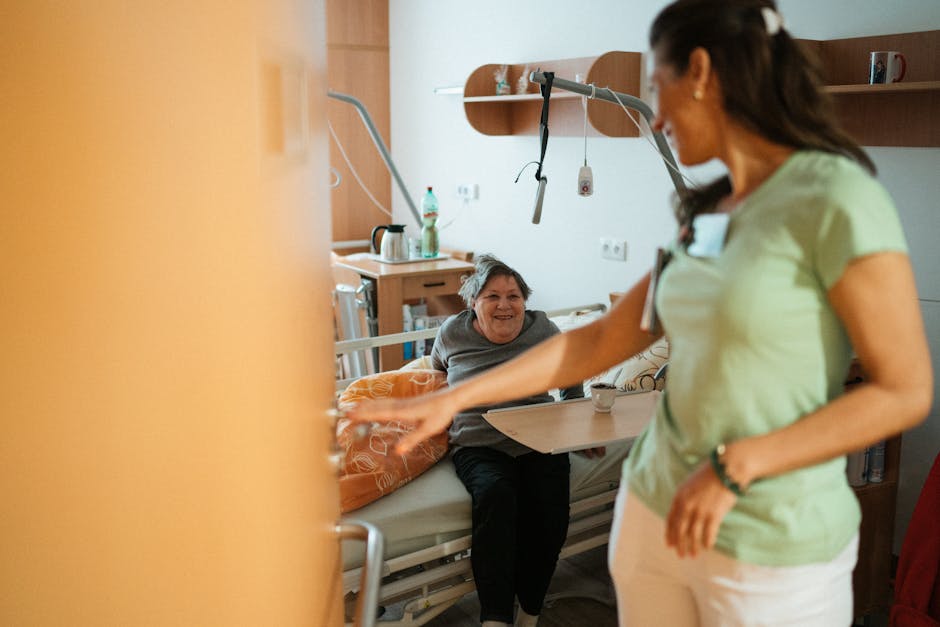
A nursing home is a residential care facility that provides 24-hour nursing supervision, medical care, and assistance with daily living activities for people who can no longer safely live at home or in a less intensive care setting. The terms “nursing home,” “skilled nursing facility (SNF),” and “nursing care facility” are often used interchangeably, though they have technical distinctions in Medicare and Medicaid law.
Types of Nursing Homes
- Skilled Nursing Facilities (SNFs): Medicare-certified facilities providing intensive rehabilitation and skilled nursing care, typically post-hospitalization
- Long-Term Care Facilities: Provide ongoing custodial and nursing care for residents who cannot return home
- Continuing Care Retirement Communities (CCRCs): Campus-style communities offering independent living, assisted living, and skilled nursing in one location
- Specialty Facilities: Facilities focused on specific populations — ventilator-dependent patients, traumatic brain injury, behavioral health

Quick Navigation
- Nursing Home vs. Skilled Nursing Facility: What’s the Difference?
- Types of Nursing Homes Explained
- What to Expect in a Nursing Home
- A Day in the Life of a Nursing Home Resident
- Nursing Home Resident Rights
Related Resources




Nursing Home vs. Assisted Living: What’s the Difference?
April 19, 2026

What Is Skilled Nursing Care? A Plain-Language Guide
April 19, 2026