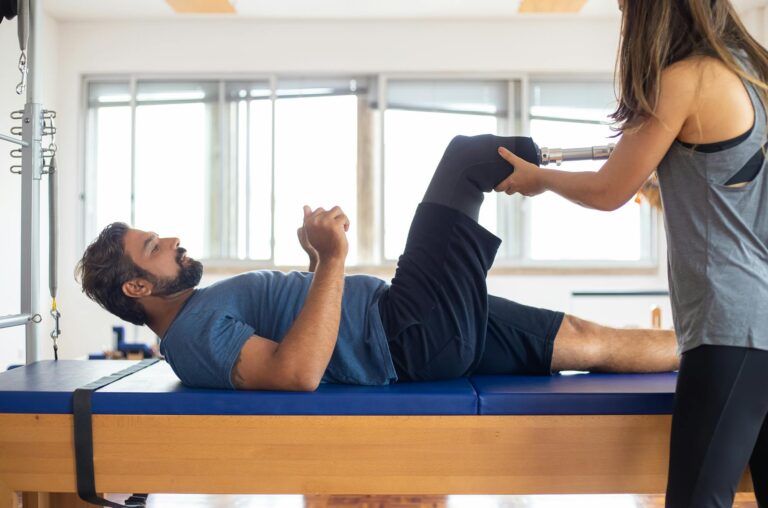
Hip replacement surgery (total hip arthroplasty) is one of the most successful orthopedic procedures performed today — but recovery requires skilled rehabilitation. Many patients, especially older adults, benefit from a short stay in a skilled nursing facility before returning home.
Do You Need a Nursing Home After Hip Replacement?
Not everyone needs SNF care after hip replacement. Candidates most likely to benefit include:
- Adults over 75 with limited home support
- Those who live alone without someone to help during recovery
- Patients with multiple comorbidities requiring medical monitoring
- Those with home environments that can’t be safely navigated with a walker immediately (stairs, no first-floor bathroom)
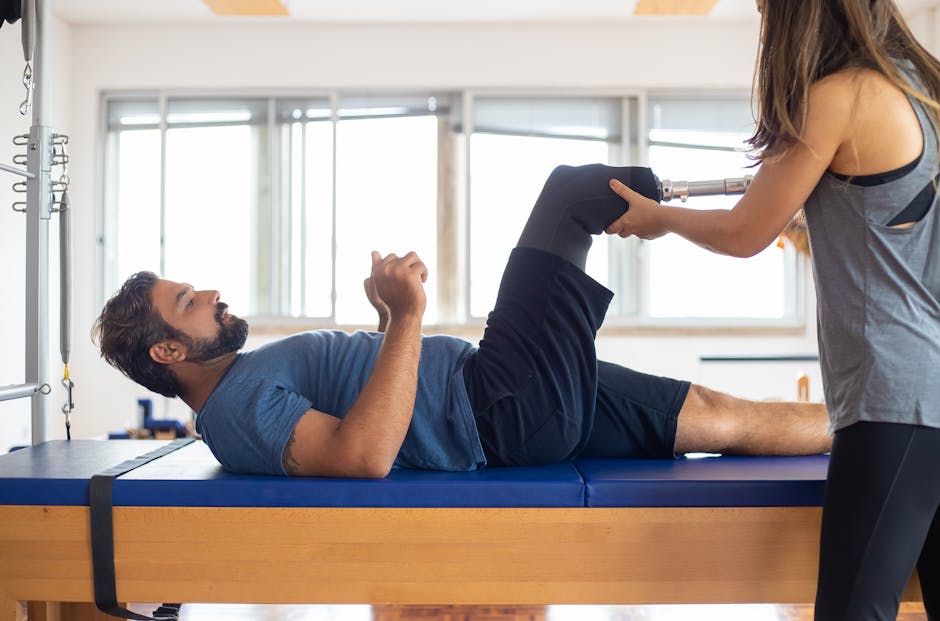
Younger, healthier patients with strong home support often go directly home with outpatient PT or home health.
What Hip Replacement Rehab Involves
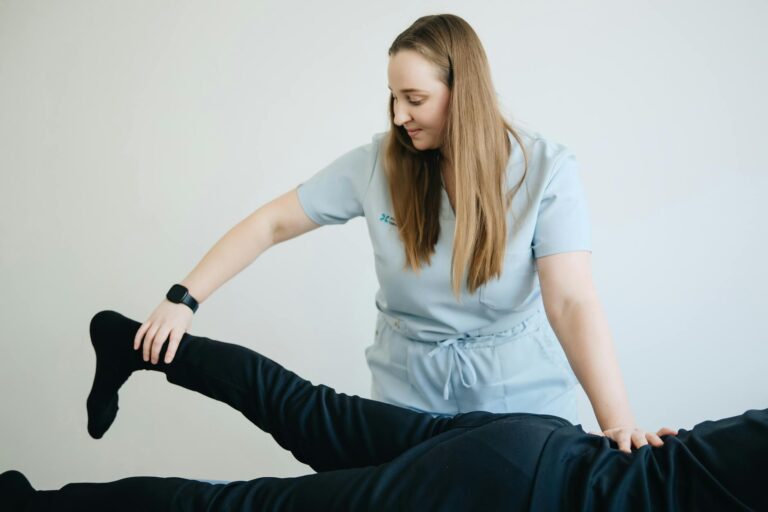
Physical Therapy Goals
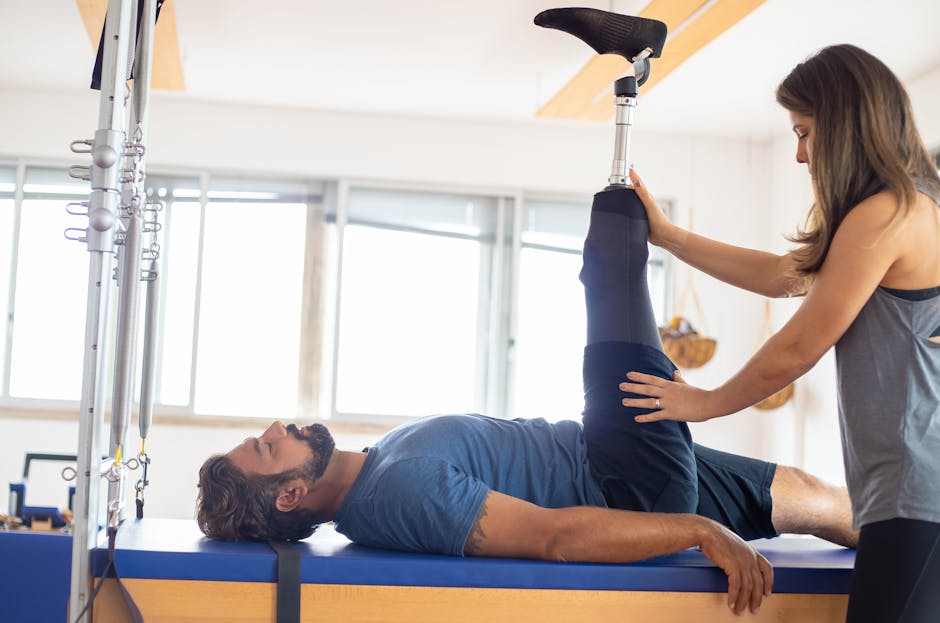
- Progressive weight-bearing advancement (most modern hip replacements are weight-bearing as tolerated from day 1)
- Hip precaution education (anterior vs. posterior approach determine specific restrictions)
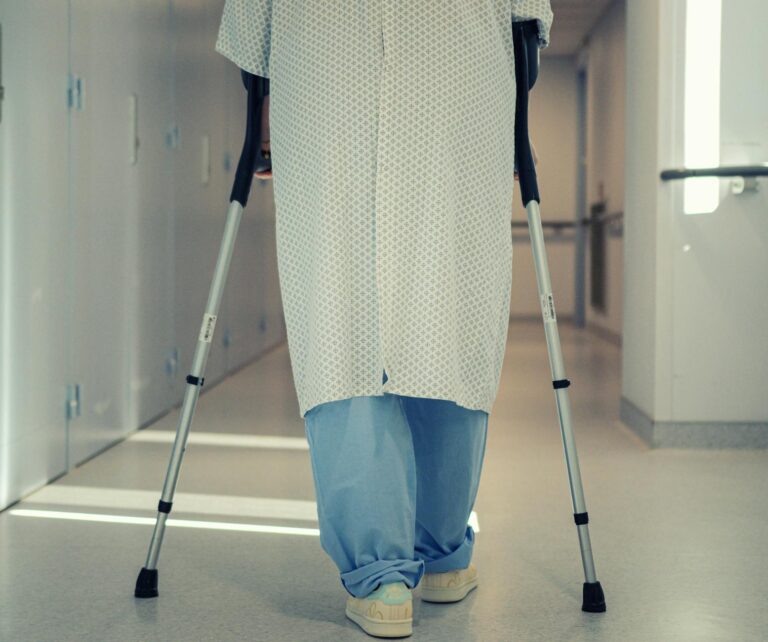
- Gait training — walker to cane to independent ambulation
- Stair training before discharge home
- Strengthening the hip abductors, quadriceps, and glutes
Occupational Therapy Goals
- Safe dressing techniques with hip precautions (sock aid, long-handled shoe horn, reacher)
- Toilet transfer training with elevated toilet seat
- Bathing safety with shower chair or tub bench
- Home safety evaluation and equipment recommendations

Typical Recovery Timeline
- Days 1–3 post-op: Hospital — early mobilization, pain management
- Days 3–7: Transfer to SNF (if needed)
- Weeks 1–3 in SNF: Progressive therapy, pain control, wound monitoring
- Discharge home: Typically 2–4 weeks post-surgery for SNF patients
- Weeks 4–12: Outpatient PT — restoring strength and full range of motion
- 3–6 months: Return to most normal activities
Related Resources