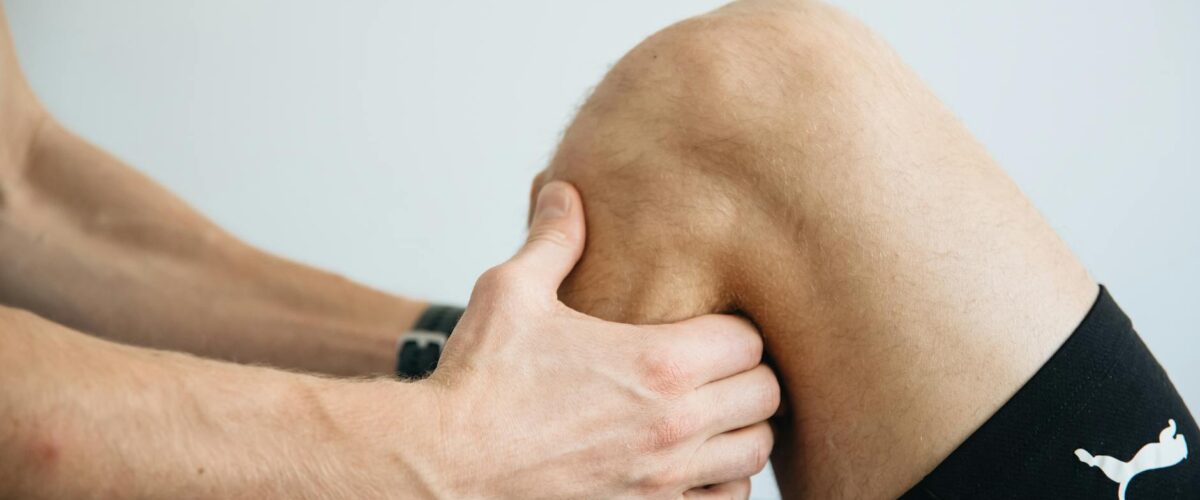
Total knee replacement (TKA) is the most commonly performed joint replacement in the U.S. Most patients go home within 1–3 days, but some benefit from skilled nursing facility rehabilitation, particularly when home support is limited or when recovery is more complex.
SNF vs. Home After Knee Replacement
Unlike hip replacement, the trend for knee replacement is strongly toward going home with outpatient or home health therapy. SNF care is most appropriate when:
- The patient lives alone with no one to help during the first 1–2 weeks
- Significant comorbidities require nursing monitoring
- The patient’s home is not accessible (no first-floor bathroom, many stairs)
- Bilateral (both knees) replacement was performed
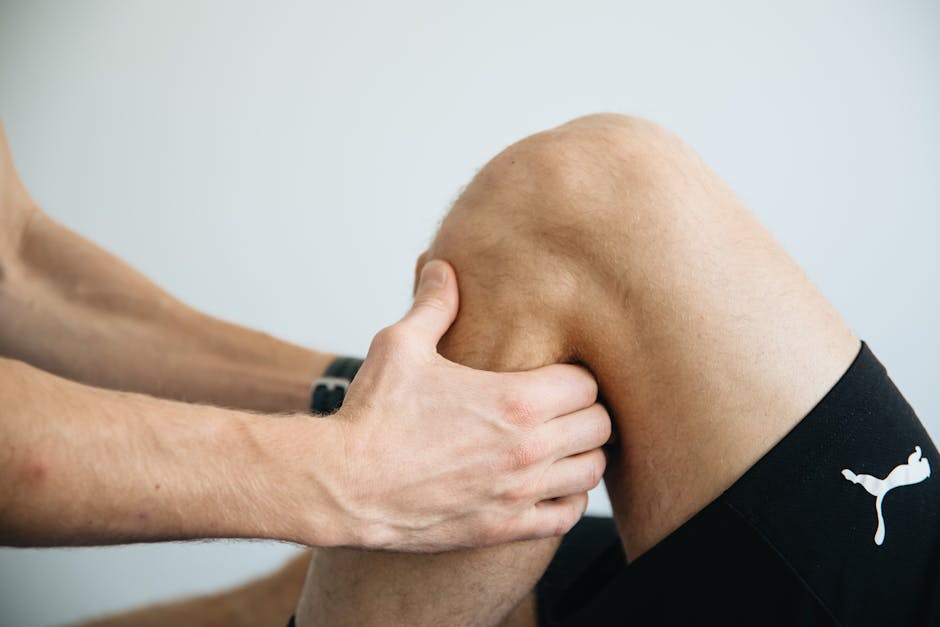
Physical Therapy for Knee Replacement
Key PT goals after knee replacement:
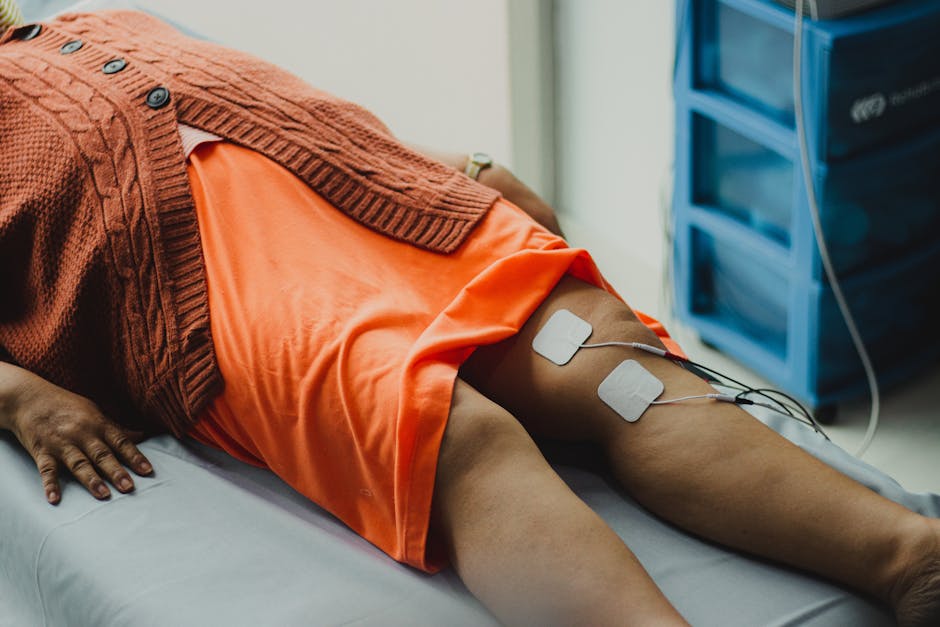
- Flexion restoration: Regaining knee bend (goal: 90° by 2 weeks, 110–120° by 6 weeks)
- Extension: Full straightening of the knee — critical for normal gait
- Quadriceps activation: Restoring quad strength to stabilize the knee
- Gait normalization: Eliminating compensatory patterns; walker to cane to independent
- Swelling management: Ice, elevation, compression
- Stair training
Recovery Timeline
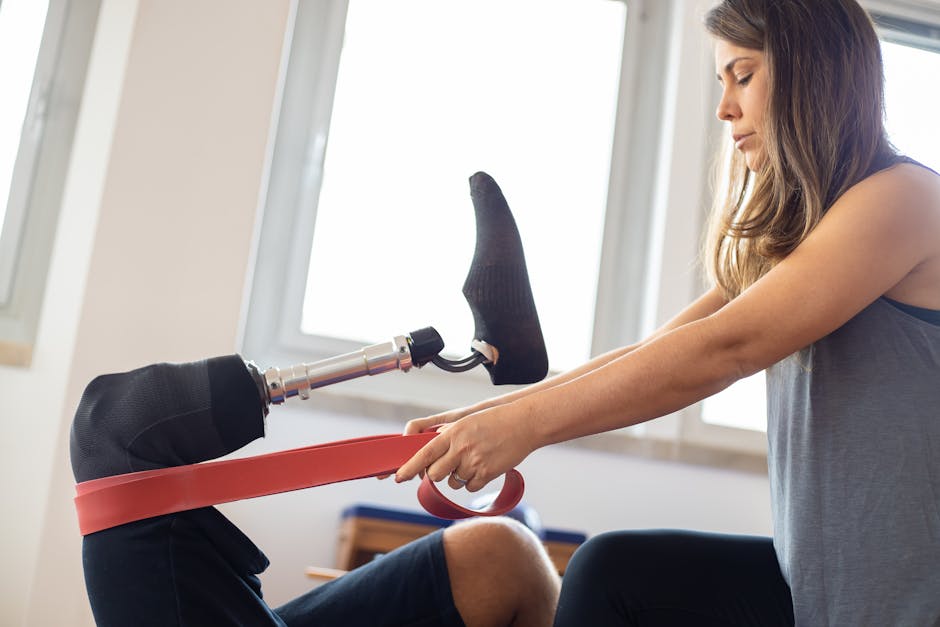
- Week 1–2: Pain control, early flexion restoration, basic mobility
- Weeks 2–6: Progressive strengthening, walking without assistive device, driving (typically 4–6 weeks)
- 3 months: Return to most daily activities; continued PT for strength and endurance
- 6–12 months: Full recovery; swelling continues to gradually improve for up to a year
Related Resources

How Long Does Physical Rehabilitation Take?
April 19, 2026