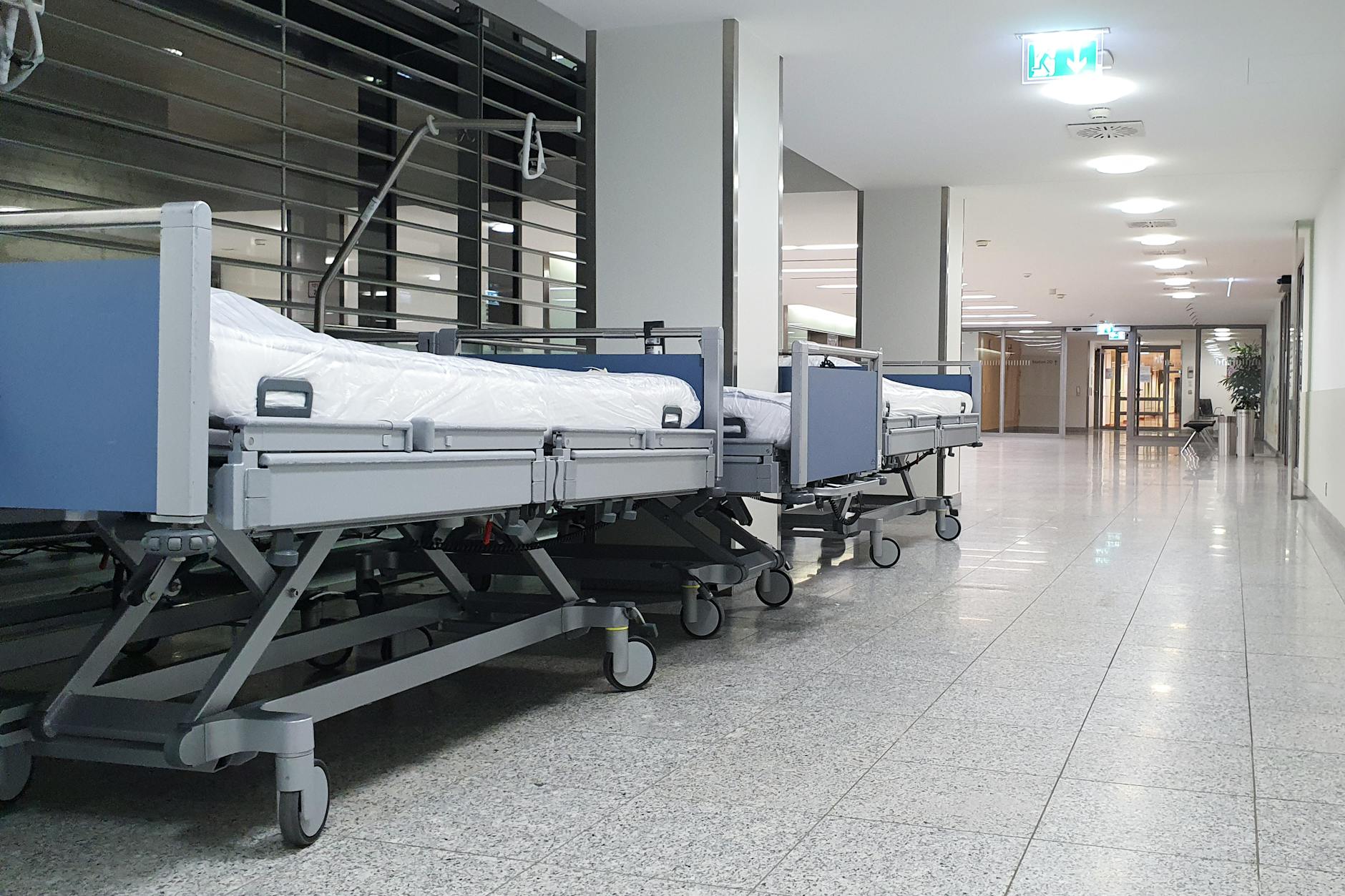
After surgery, many families face a fork in the road: should their loved one go to a senior rehabilitation center or would assisted living be more appropriate? This is a critical question because choosing the wrong level of care can slow recovery, increase rehospitalization risk, or result in Medicare coverage problems. Here’s how to make the right call.
The Short Answer
After most surgeries — especially joint replacement, cardiac surgery, spine surgery, or any procedure where the patient isn’t immediately safe to return home — a senior rehabilitation center (skilled nursing facility) is almost always the appropriate first step. Assisted living is generally not designed or equipped to provide post-surgical care.
Why Assisted Living Is Usually Wrong After Surgery
Assisted living communities are designed for seniors who need help with daily activities but are medically stable. They typically do not provide:
- 24-hour registered nursing care
- Wound care or surgical site management
- IV antibiotics or complex medication management
- Daily physical and occupational therapy
- Physician coordination for post-surgical complications

Most assisted living communities cannot safely manage a patient within days or weeks of major surgery. Attempting to recover in assisted living after surgery typically means slower recovery, higher fall risk, and increased likelihood of wound complications or rehospitalization.
Additionally, Medicare does not cover assisted living — making it an expensive choice that also doesn’t provide the clinical services needed.
Why a Senior Rehabilitation Center Is Right After Surgery
A Medicare-certified skilled nursing facility offers everything a post-surgical patient needs:
- 24-hour nursing: RNs and LPNs monitor for post-surgical complications including infection, blood clots, and medication reactions
- Physical therapy: Daily PT to restore weight-bearing, gait, strength, and mobility
- Occupational therapy: OT to safely return to daily activities like dressing, bathing, and meal preparation
- Wound care specialists: Proper surgical wound management to prevent infection
- Medicare coverage: Days 1-20 fully covered following a qualifying 3-day hospital stay
When Does Assisted Living Become Appropriate?
Assisted living becomes an appropriate option after the patient has:
- Completed their short-term rehabilitation at a skilled nursing facility
- Been medically cleared by their physician
- Achieved a level of function that can be safely maintained in an assisted living environment
- Demonstrated that returning home independently is not yet safe but intensive medical care is no longer needed
Many patients transition from a SNF to assisted living as a step-down before eventually returning home.
What Your Hospital Discharge Planner Will Recommend

For patients discharged from the hospital following surgery, the discharge planner will almost universally recommend a skilled nursing facility or rehabilitation center — not assisted living. Follow this guidance. Discharge planners see outcomes daily and match patients to facilities based on clinical need, available beds, and insurance coverage.
Scenic Nursing and Rehabilitation Center: Jefferson County’s Post-Surgical Rehab Choice
Scenic in Herculaneum, MO specializes in post-acute rehabilitation for patients recovering from joint replacement, cardiac surgery, spine surgery, fractures, and other procedures. Our Newsweek and AHCA recognition reflects consistently strong outcomes for post-surgical patients.
Get Free Expert Guidance on Post-Surgical Care Options | Short-Term Rehab vs. Long-Term Care Guide | Contact Scenic
Related Resources



April 19, 2026